


What to Do When Your Fridge Is Leaking Water: A Practical Guide
- RePair Team
- Mar 3
- 4 min read

A fridge leaking water can be a real headache. It’s messy, inconvenient, and can even damage your floors or cabinets if left unchecked. I’ve been there myself, and I know how frustrating it can be to find water pooling under your fridge without knowing why. The good news is that most fridge leaks are fixable with a bit of patience and some simple troubleshooting. In this guide, I’ll walk you through the common causes of fridge leaks and how to fix them step-by-step.
Why Is My Fridge Leaking Water? Common Causes Explained
When you notice water leaking from your fridge, it’s important to understand what might be causing it. Here are the most frequent reasons:
Clogged or Frozen Defrost Drain: This is the most common culprit. The defrost drain carries water from the automatic defrost cycle to a drip pan underneath the fridge. If it gets blocked or frozen, water can back up and leak inside or outside the fridge.
Damaged or Misaligned Door Seal: If the door seal is not tight, warm air can enter, causing condensation and water buildup.
Leaking Water Supply Line: For fridges with ice makers or water dispensers, a damaged or loose water line can cause leaks.
Cracked or Broken Drain Pan: The drain pan collects water from the defrost cycle. If it’s cracked or misplaced, water can leak onto the floor.
Excessive Condensation: High humidity or frequent door openings can cause condensation to form and drip.
Understanding these causes helps you pinpoint the problem faster and decide whether you can fix it yourself or need professional help.
How to Fix a Fridge Leaking Water: Step-by-Step Solutions
Let’s dive into practical steps you can take to stop your fridge from leaking water. I’ll break it down into easy-to-follow actions.
1. Check and Clear the Defrost Drain
The defrost drain is often located at the back or bottom of the fridge compartment. Here’s how to clear it:
Unplug the fridge for safety.
Locate the drain hole inside the fridge or freezer.
Use a pipe cleaner, turkey baster, or warm water to flush out any debris or ice blocking the drain.
If ice is blocking the drain, let the fridge defrost completely by leaving the door open for a few hours.
Once clear, plug the fridge back in and monitor for leaks.
2. Inspect and Clean the Door Seals
A faulty door seal can cause warm air to enter, leading to condensation and leaks.
Check the seal for cracks, tears, or dirt.
Clean the seal with warm, soapy water and a soft cloth.
If the seal is damaged, consider replacing it to ensure a tight fit.
3. Examine the Water Supply Line
If your fridge has an ice maker or water dispenser:
Inspect the water line for cracks or loose connections.
Tighten any loose fittings.
Replace the line if it’s damaged.
4. Check the Drain Pan
The drain pan collects water from the defrost cycle and is usually located underneath the fridge.
Pull out the fridge carefully.
Locate the drain pan and inspect it for cracks or overflow.
Clean the pan if it’s dirty.
Replace it if it’s damaged.
5. Manage Condensation
To reduce condensation:
Avoid leaving the fridge door open for long periods.
Keep the fridge temperature between 3°C and 5°C.
Use a dehumidifier in the room if humidity is high.

When to Call a Professional for Fridge Leak Repairs
Sometimes, despite your best efforts, the leak persists. This is when calling a professional is the best option. Here are signs you should seek expert help:
The leak continues after clearing the defrost drain.
You notice electrical issues or unusual noises.
The water supply line or internal components need replacement.
You’re unsure about handling repairs safely.
Professional technicians have the tools and experience to diagnose and fix leaks quickly. They can also ensure the repair is done right the first time, saving you time and stress.
Preventing Future Fridge Leaks: Tips for Long-Term Care
Prevention is always better than cure. Here are some tips to keep your fridge leak-free:
Regularly clean the defrost drain to prevent blockages.
Inspect door seals monthly and clean them to maintain a good seal.
Check the water supply line for wear and tear.
Keep the fridge temperature stable and avoid overloading it.
Place a drip tray or mat under the fridge to catch minor leaks early.
By following these simple steps, you can avoid most leaks and keep your fridge running smoothly.
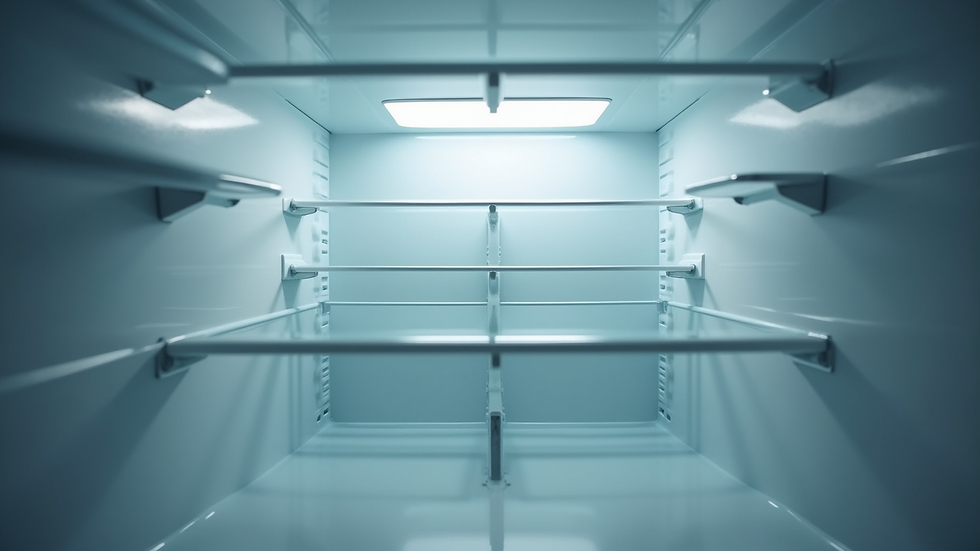
Quick Fixes and Reliable Repairs with RePair Team
If you’re dealing with a fridge leaking water and want a quick, reliable fix, the RePair Team is here to help. They specialise in appliance repairs across South Africa, offering affordable and guaranteed workmanship. Their technicians aim to fix most issues on-site, so you don’t have to wait long or worry about costly replacements.
Remember, a leaking fridge is a common problem, but it doesn’t have to disrupt your day. With the right approach and timely action, you can keep your fridge in top shape and avoid water damage in your home or business.
For more information or to book a repair, visit RePair Team.


Comments