


Fixing Your Oven: Practical Oven Repair Tips
- RePair Team
- Jun 15
- 4 min read

When your oven stops working, it can throw a wrench in your daily routine. Whether you’re baking a cake or preparing dinner, a faulty oven is frustrating. But don’t worry - fixing your oven is often easier than you think. With some basic knowledge and a bit of patience, you can tackle many common problems yourself. I’m here to guide you through practical oven repair tips that will save you time and money.
Essential Oven Repair Tips to Get Started
Before diving into repairs, safety is the top priority. Always unplug your oven or switch off the circuit breaker to avoid electric shocks. Once the power is off, you can start diagnosing the problem.
Here are some simple tips to keep in mind:
Read the manual: Your oven’s user manual often has troubleshooting advice specific to your model.
Gather tools: Basic tools like screwdrivers, a multimeter, and a flashlight will come in handy.
Take notes: Write down any error codes or unusual behaviour to help with diagnosis.
Work patiently: Don’t rush. Carefully inspect each part before making changes.
Starting with these tips will make the repair process smoother and safer.
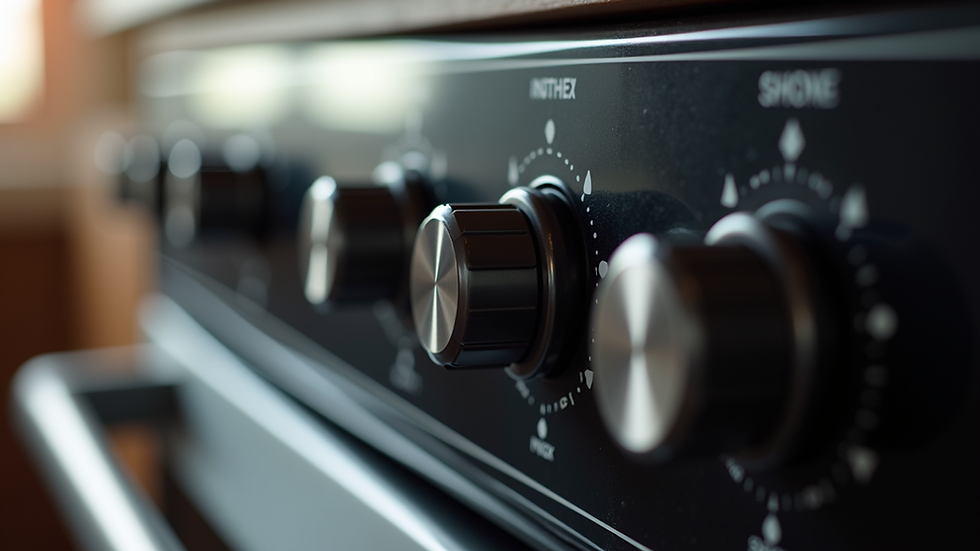
What are common oven repair issues?
Many oven problems are common and have straightforward fixes. Knowing these can help you identify the issue quickly.
Oven won’t heat
If your oven doesn’t heat up, the heating element might be faulty. Electric ovens have two elements: one for baking (bottom) and one for broiling (top). Check if either element is visibly damaged or broken.
Oven temperature is inaccurate
If your oven temperature seems off, the thermostat or temperature sensor could be the culprit. A faulty sensor sends wrong signals, causing uneven heating.
Oven door won’t close properly
A door that doesn’t seal well can cause heat loss and longer cooking times. Check the door hinges and gasket for damage or dirt buildup.
Oven light not working
Sometimes the oven light bulb burns out. Replacing it is usually simple and inexpensive.
Oven makes strange noises
Buzzing or clicking sounds can indicate electrical issues or a faulty relay switch.
Oven self-cleaning function fails
If the self-cleaning cycle doesn’t start or stops midway, the door lock mechanism or control board might be malfunctioning.
Understanding these common issues helps you decide whether a DIY fix is possible or if professional help is needed.
Step-by-step guide to basic oven repairs
Let’s walk through some practical steps to fix common oven problems.
1. Inspect the heating elements
Unplug the oven.
Remove the racks and locate the heating elements.
Look for cracks, blisters, or breaks.
Use a multimeter to test for continuity. No continuity means the element needs replacement.
Replace the element by unscrewing it and disconnecting the wires. Install the new one and reconnect.
2. Test the temperature sensor
Locate the sensor inside the oven cavity.
Remove it carefully.
Use a multimeter to check resistance. Refer to your manual for the correct reading.
Replace if readings are off.
3. Fix the oven door seal
Inspect the rubber gasket around the door.
Clean it with warm soapy water if dirty.
Replace if cracked or torn.
Tighten or adjust door hinges if the door doesn’t close properly.
4. Replace the oven light bulb
Turn off power.
Remove the light cover inside the oven.
Unscrew the old bulb and replace it with the correct type.
Test the light.
5. Address electrical noises
If you hear buzzing, check the control board and relays.
Loose wires can cause noise; tighten connections.
If unsure, call a professional to avoid electrical hazards.
These steps cover many DIY fixes. However, if you encounter complex issues, it’s best to seek expert help.

When to call in the experts
Sometimes, oven problems require professional attention. Here are signs you should contact a repair service:
Persistent electrical issues or sparks.
Gas oven smells of gas or won’t ignite.
Control panel or digital display malfunctions.
Oven door lock mechanism failure.
Complex wiring or circuit board problems.
Professional technicians have the tools and experience to handle these safely and efficiently. They can also provide a warranty on their work, giving you peace of mind.
If you want to try fixing your oven yourself but need guidance, consider consulting oven repair specialists who can assist or step in when needed.
Keeping your oven in top shape
Preventing oven problems is easier than fixing them. Here are some maintenance tips to keep your oven running smoothly:
Clean regularly: Remove spills and crumbs to prevent smoke and odors.
Check seals: Inspect door gaskets every few months.
Avoid harsh chemicals: Use gentle cleaners to protect surfaces.
Use oven-safe cookware: Avoid damage to heating elements.
Run self-clean cycles carefully: Follow manufacturer instructions.
Routine care extends your oven’s life and reduces repair needs.
Ready to tackle your oven repair?
Fixing your oven doesn’t have to be intimidating. With the right approach, you can solve many common problems yourself. Remember to stay safe, take your time, and use the tips shared here. When in doubt, professional help is just a call away.
Your oven is a vital kitchen companion. Keeping it in good working order means more delicious meals and less hassle. So, roll up your sleeves and get started on your oven repair journey today!


Comments