


Stove Switch Replacement: A Simple Guide to Fixing Your Stove Safely
- RePair Team
- Mar 4
- 3 min read

When your stove stops working properly, it can be frustrating. Often, the problem lies with the stove switch. Replacing a stove switch might sound complicated, but with the right steps, you can do it yourself safely and quickly. I’m here to guide you through the process with clear, easy-to-follow instructions. Let’s get your stove back in action!
Understanding the Stove Switch and Why It Needs Replacement
The stove switch controls the flow of electricity to your stove’s heating elements. When it wears out or breaks, the stove won’t heat up correctly or at all. Common signs you need a stove switch replacement include:
Burnt smell near the stove knobs
Knobs that feel loose or don’t turn smoothly
Heating elements that don’t respond when turned on
Replacing the switch is often more affordable than buying a new stove. Plus, it’s a great way to extend the life of your appliance.

Tools and Safety Tips Before You Start
Before you begin, gather the tools you’ll need:
Screwdriver (usually Phillips head)
Multimeter (to test electrical connections)
Replacement stove switch (make sure it matches your stove model)
Needle-nose pliers
Electrical tape
Safety is the top priority. Always unplug your stove or switch off the circuit breaker before working on it. This prevents electric shock and keeps you safe.
Here are some quick safety tips:
Work in a well-lit area
Wear rubber-soled shoes
Avoid touching metal parts with wet hands
Keep children and pets away from the work area
Step-by-Step Guide to Replacing Your Stove Switch
Replacing a stove switch is straightforward if you follow these steps carefully.
Step 1: Disconnect Power
Unplug the stove or turn off the circuit breaker. Double-check that the stove is not receiving power by trying to turn on a burner.
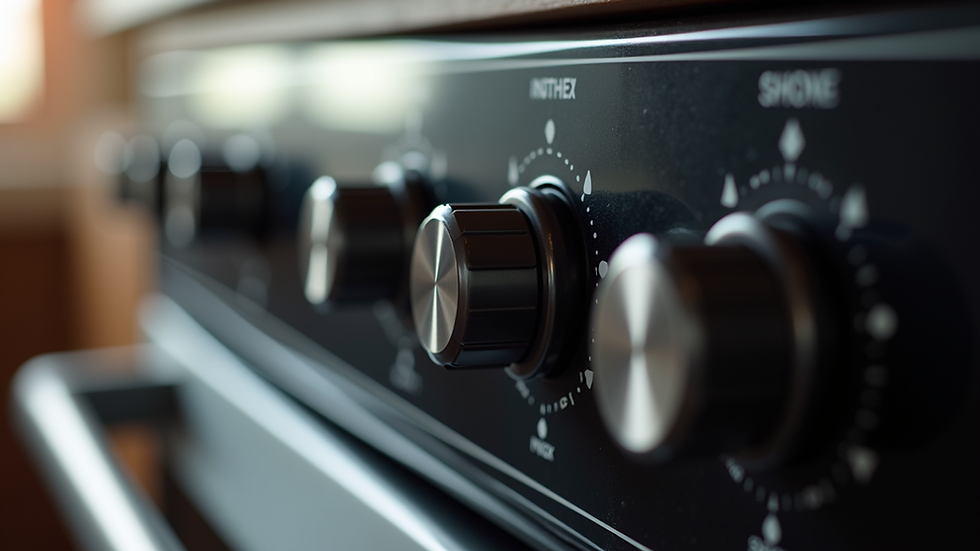
Step 2: Remove the Control Knobs
Pull off the knobs gently. If they are stuck, wiggle them slightly while pulling. Avoid using excessive force to prevent damage.
Step 3: Access the Switch Panel
Use your screwdriver to remove the screws holding the control panel in place. Carefully lift the panel to expose the switches.
Step 4: Identify and Test the Faulty Switch
Use your multimeter to test the switch for continuity. If the switch shows no continuity when turned on, it needs replacement.
Step 5: Disconnect the Old Switch
Note how the wires are connected or take a photo for reference. Use needle-nose pliers to disconnect the wires from the faulty switch.
Step 6: Install the New Switch
Connect the wires to the new switch exactly as they were on the old one. Secure the switch in place and reattach the control panel.
Step 7: Replace the Control Knobs and Restore Power
Put the knobs back on, plug in the stove or turn the circuit breaker back on, and test the stove to ensure it works properly.

Troubleshooting Common Issues After Replacement
Sometimes, even after replacing the switch, the stove might not work as expected. Here are some tips to troubleshoot:
Switch doesn’t fit properly: Double-check the model number of your replacement switch. It must match your stove.
Burner still doesn’t heat: The problem might be with the heating element or wiring. Consider consulting a professional.
Sparks or burning smell: Turn off the stove immediately and inspect the wiring for loose connections or damage.
If you’re unsure at any point, it’s best to call a professional. Safety comes first.
Why DIY Stove Switch Replacement Makes Sense
Replacing a stove switch yourself saves time and money. You avoid the cost of a service call and get your stove working faster. Plus, it’s a satisfying project that boosts your confidence in handling home repairs.
Remember, the key is to follow safety steps and use the right tools. If you want to learn more about appliance repairs or need expert help, check out RePair Team for quick, reliable, and affordable service in your area.
Keeping Your Stove in Top Shape
After replacing the switch, regular maintenance helps prevent future problems. Here are some tips:
Clean stove knobs and control panel regularly to avoid dirt buildup
Avoid using excessive force on knobs
Check for signs of wear or damage every few months
Schedule professional inspections if you notice unusual behaviour
Taking care of your stove ensures it stays safe and efficient for years.
Replacing a stove switch is a manageable task that can save you money and downtime. With the right approach, you’ll have your stove working like new in no time. Stay safe, take your time, and enjoy the satisfaction of a job well done!


Comments