


How to Solve Fridge Ice & Frost Problems Quickly and Easily

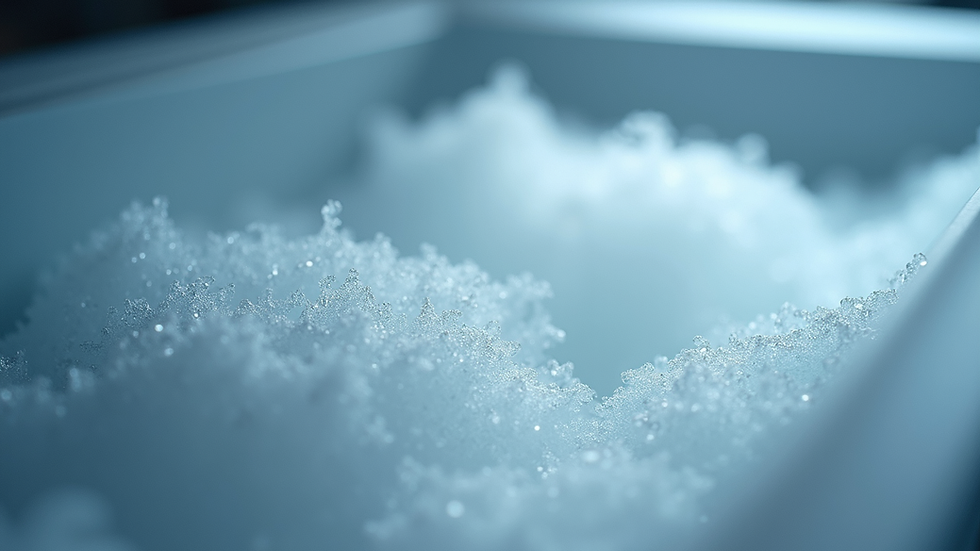
When your fridge starts building up ice and frost, it can be frustrating. I’ve been there myself, wondering why my fridge suddenly looks like a mini ice cave. But don’t worry - fixing these problems is often simpler than you think. In this post, I’ll walk you through the common causes of fridge ice and frost issues and share practical steps to get your fridge back to normal. Whether you’re a homeowner or run a business, these tips will help you avoid costly repairs and keep your fridge running smoothly.
Understanding Why Your Fridge Has Ice and Frost Problems
Ice and frost inside your fridge or freezer usually mean there’s a problem with temperature control or moisture. When warm, moist air gets inside, it condenses and freezes on cold surfaces. This can happen for several reasons:
Door left open or not sealing properly: Even a small gap lets humid air in.
Faulty door gasket: The rubber seal around the door might be cracked or dirty.
Blocked or dirty defrost drain: Water from defrosting can’t drain away and freezes.
Temperature settings too low: Setting the fridge or freezer too cold causes excess frost.
Frequent or prolonged door openings: This lets in warm air repeatedly.
Malfunctioning defrost system: The automatic defrost cycle might not be working.
When ice builds up, it reduces fridge efficiency and space. It can also cause food to freeze unexpectedly or spoil faster. The good news is many of these issues can be fixed without calling a technician.
How to Check and Fix Your Fridge Door Seal
One of the easiest fixes is to check the door seal. A damaged or dirty gasket lets warm air in, causing frost. Here’s how to inspect and fix it:
Look for visible damage: Check the rubber seal for cracks, tears, or warping.
Clean the gasket: Use warm soapy water and a soft cloth to remove dirt and debris.
Test the seal: Close the door on a piece of paper or a dollar bill. If you can pull it out easily, the seal isn’t tight.
Replace if necessary: If the gasket is damaged, order a replacement from your fridge manufacturer or a trusted supplier.
A good seal keeps cold air in and moisture out, preventing frost buildup. It’s a simple step that often solves the problem.
Clearing Blocked Defrost Drains and Preventing Ice Build-Up
If you notice water pooling inside your fridge or ice forming in odd places, the defrost drain might be blocked. This drain carries water from the automatic defrost cycle to a drip pan underneath. When blocked, water freezes inside the fridge.
Here’s how to clear it:
Locate the drain hole: Usually at the back or bottom of the fridge compartment.
Use warm water: Pour a small amount of warm water down the drain to melt any ice.
Unclog with a pipe cleaner or soft brush: Gently remove debris blocking the drain.
Check the drip pan: Make sure it’s clean and positioned correctly under the fridge.
Regularly clearing the defrost drain helps prevent ice buildup and keeps your fridge running efficiently.

Adjusting Temperature Settings for Optimal Performance
Sometimes frost problems come from setting the fridge or freezer too cold. The ideal temperature for a fridge is between 3°C and 5°C, and for a freezer, around -18°C. If your settings are colder than this, moisture can freeze excessively.
To adjust:
Find the temperature control dial or digital panel inside your fridge.
Set the fridge to about 4°C and the freezer to -18°C.
Wait 24 hours and monitor frost buildup.
Adjust slightly if needed, but avoid setting temperatures too low.
Keeping the right temperature helps reduce frost and keeps your food fresh longer.
When to Call in the Experts for Fridge Repairs
If you’ve tried these steps and still see frost or ice problems, it might be time to get professional help. Issues like a broken defrost heater, faulty thermostat, or compressor problems require expert diagnosis and repair.
I recommend contacting a reliable appliance repair service that can fix most issues on-site. They’ll have the right tools and parts to get your fridge working properly again. Plus, choosing a service with guaranteed workmanship gives you peace of mind.
If you’re in South Africa, the RePair Team is a great option. They offer quick, affordable repairs and focus on customer satisfaction. Getting your fridge fixed promptly can save you money and prevent food spoilage.
Tips to Prevent Future Ice and Frost Problems
Once your fridge is frost-free, here are some simple habits to keep it that way:
Close the door firmly every time.
Avoid leaving the door open for long periods.
Don’t overload the fridge - air needs to circulate.
Keep the door gasket clean and check it regularly.
Defrost manually if your fridge doesn’t have an automatic system.
Check temperature settings seasonally.
Clean the defrost drain every few months.
Following these tips will help your fridge run efficiently and avoid ice and frost issues.
I hope these tips help you tackle fridge ice and frost problems with confidence. Remember, many fixes are simple and don’t require expensive repairs. But if you do need help, choosing a trusted repair service ensures your fridge gets back to perfect working order quickly. Keep your fridge frost-free and enjoy fresh food every day!


Comments