


How to Fix a Washing Machine: A Practical Guide
- RePair Team
- Apr 9
- 4 min read

Washing machines are essential in every home and business. When they break down, it disrupts daily routines and can cause frustration. Fixing a washing machine might seem complicated, but many common problems have simple solutions. I’ll walk you through practical steps to diagnose and repair your washing machine, helping you save time and money.

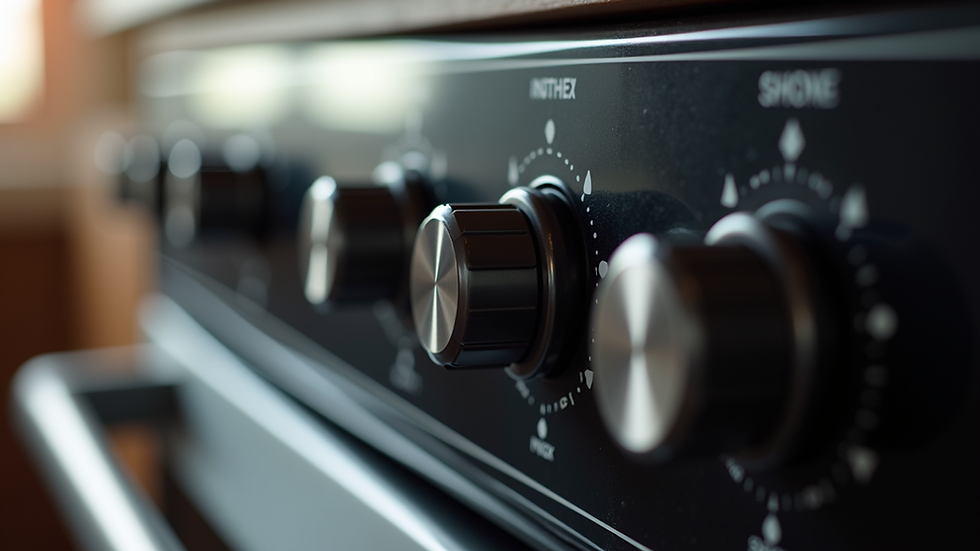
Washing machine drum and control panel close-up
Common Washing Machine Problems and How to Spot Them
Before diving into repairs, it’s important to identify the issue clearly. Here are some frequent problems you might encounter:
Washing machine won’t start
Machine fills with water but doesn’t spin
Washer won’t drain water
Excessive vibration or noise during cycles
Water leaks from the machine
Each problem has different causes and fixes. Let’s look at how to troubleshoot these issues step-by-step.
Washing Machine Won’t Start
If your washing machine doesn’t start, first check the power supply. Make sure the machine is plugged in and the outlet works. Try plugging in another device to confirm.
Next, check the door or lid switch. Most machines won’t start if the door isn’t properly closed or if the switch is faulty. You can test the switch with a multimeter or listen for a click when closing the door.
If the power and door switch are fine, the problem might be with the control board or timer. These parts can fail over time and may need replacement.
Machine Fills with Water but Doesn’t Spin
When the washer fills but doesn’t spin, the issue could be the lid switch, drive belt, or motor.
Lid switch: If the machine thinks the lid is open, it won’t spin. Test or replace the switch if needed.
Drive belt: A broken or loose belt won’t turn the drum. Inspect the belt and replace it if worn.
Motor: The motor or motor coupler might be faulty. This usually requires professional help.
Washer Won’t Drain Water
If water stays in the drum after the cycle, check the drain hose and pump.
Drain hose: Make sure it’s not kinked or clogged.
Pump filter: Some machines have a filter that can get blocked with lint or debris. Clean it regularly.
Pump motor: If the pump doesn’t run, it might need replacement.
Excessive Vibration or Noise
Loud noises or shaking can come from an unbalanced load, worn shock absorbers, or faulty bearings.
Unbalanced load: Rearrange clothes evenly in the drum.
Shock absorbers: These dampen drum movement. Replace if damaged.
Bearings: Worn bearings cause grinding sounds and need professional replacement.
Water Leaks from the Machine
Leaks can come from hoses, door seals, or detergent drawers.
Hoses: Check for cracks or loose connections. Replace damaged hoses.
Door seal: Inspect the rubber seal for tears or dirt. Clean or replace as needed.
Detergent drawer: Clean buildup to prevent overflow.

Washing machine door seal close-up
Tools and Products That Help with Washing Machine Repairs
Having the right tools makes repairs easier. A basic toolkit should include:
Screwdrivers (flat and Phillips)
Pliers
Multimeter for electrical testing
Wrench set
Towels or cloths for water spills
For parts, I recommend reliable products that fit most machines. For example, the RePair Team Washing Machine Repair Kit includes common replacement parts like belts, hoses, and switches. It’s designed for quick fixes and comes with clear instructions. You can check it out here.
If you need professional help, the RePair Team Appliance Repair Service offers fast, affordable repairs with guaranteed workmanship. They fix most issues on-site, saving you the hassle of transporting your machine. Learn more about their services here.
Step-by-Step Guide to Fix Your Washing Machine
Here’s a simple process to follow when your washing machine acts up:
Step 1: Unplug and Prepare
Always unplug the machine before starting any repair. This keeps you safe from electric shocks.
Step 2: Identify the Problem
Use the common problems list above to narrow down the issue. Observe what happens when you start a cycle.
Step 3: Inspect Visible Parts
Look for obvious signs like leaks, broken belts, or damaged seals. Clean any dirt or detergent buildup.
Step 4: Test Electrical Components
Use a multimeter to check switches and motors if you feel comfortable. Otherwise, skip to the next step.
Step 5: Replace Faulty Parts
Order replacement parts from trusted suppliers like the RePair Team kit or contact a professional.
Step 6: Reassemble and Test
Put everything back carefully. Run a test cycle to see if the problem is fixed.

Washing machine internal parts during repair
When to Call a Professional
Some repairs require special skills or tools. If you notice:
Electrical issues beyond simple switches
Motor or bearing problems
Complex control board faults
It’s best to call a professional. The RePair Team offers expert appliance repairs with quick turnaround and affordable rates. They provide a warranty on their work, giving peace of mind.
Tips to Keep Your Washing Machine Running Smoothly
Preventive care reduces breakdowns. Here are some tips:
Don’t overload the machine.
Use the right detergent and amount.
Clean the filter and detergent drawer regularly.
Check hoses for wear every few months.
Balance loads to avoid vibration.
Taking these steps helps your machine last longer and saves repair costs.
Fixing a washing machine doesn’t have to be stressful. With some basic knowledge and the right tools, you can handle many common problems yourself. If you ever feel stuck, professional services like the RePair Team are ready to help quickly and affordably.
If you want to learn more about how to fix a washing machine, check out detailed guides and support from trusted repair experts.
Keep your washing machine in top shape and enjoy hassle-free laundry days!


Comments