
Why Your Washing Machine Leaves Residue on Clothes and How to Fix It
- RePair Team
- Mar 24
- 4 min read

Washing clothes should leave them fresh and clean. But what if your laundry comes out with a strange residue? That powdery or sticky film on your clothes can be frustrating. It makes your garments look dirty even after a wash. I’ve seen this problem many times, and I want to help you understand why it happens and what you can do about it.
What Causes Residue on Clothes After Washing
Residue on clothes can come from several sources. Knowing the cause helps you fix the problem quickly.
Too Much Detergent or Fabric Softener
Using more detergent than needed is a common mistake. Excess detergent doesn’t rinse out properly. It sticks to your clothes and leaves a white or grey film. The same goes for fabric softener. If you use too much or pour it in the wrong place, it can build up on fabric.
Hard Water Issues
Hard water contains minerals like calcium and magnesium. These minerals react with detergent and create soap scum. Soap scum clings to clothes and washing machine parts. This residue can make your clothes feel stiff or look dull.
Washing Machine Problems
Sometimes the machine itself causes residue. A clogged or dirty detergent drawer, blocked filters, or a worn-out drum seal can trap detergent and dirt. This buildup then transfers to your laundry. Also, washing machines that don’t rinse well leave detergent behind.
Overloading the Machine
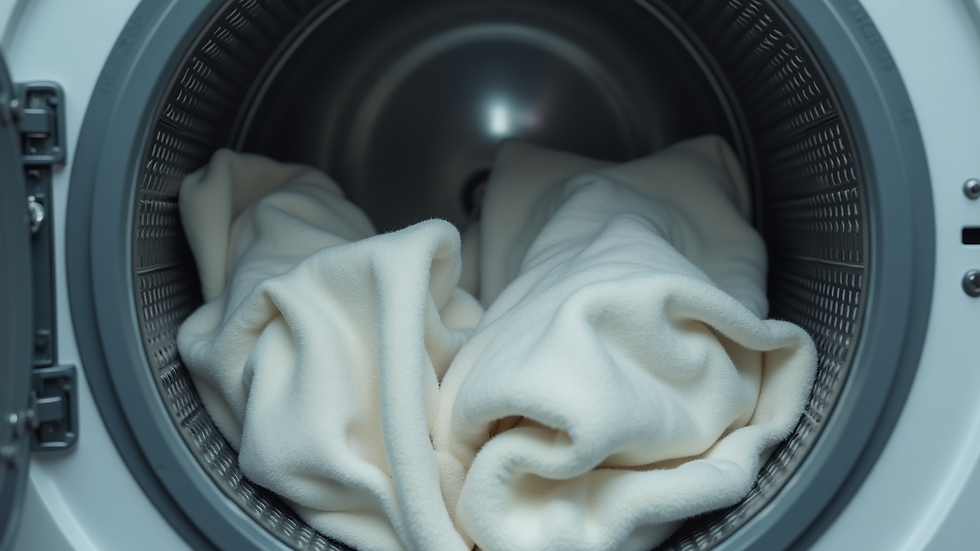
Putting too many clothes in the washer means they don’t get enough water or space to move. This stops detergent from rinsing out fully. Clothes come out with residue or even smell musty.
How to Prevent Residue on Clothes
You can avoid residue by following some simple steps. These tips help your washing machine work better and keep clothes clean.
Use the Right Amount of Detergent
Check the detergent packaging for recommended amounts. Use less if you have a small load or soft water. If you have hard water, consider a detergent designed for it. Using too much detergent is the main cause of residue.
Choose the Best Detergent for Your Needs
Not all detergents work the same. Some are better for hard water, others for sensitive skin. For example, a high-quality liquid detergent can dissolve better and rinse cleaner than powders. You might want to try a product like Omo Auto Washing Powder which is popular in South Africa for its cleaning power and good rinsing.
Clean Your Washing Machine Regularly
Residue can build up inside your machine. Run a cleaning cycle once a month using a washing machine cleaner. This removes detergent buildup, soap scum, and dirt. You can use products like Finish Washing Machine Cleaner to keep your machine fresh.
Avoid Overloading Your Washer
Leave enough space for clothes to move freely. This helps water and detergent rinse through fabric properly. Follow your machine’s load capacity guidelines.
Use the Right Water Temperature
Hot water dissolves detergent better but can damage some fabrics. Cold water saves energy but may not rinse detergent fully. Use warm water for most loads to balance cleaning and rinsing.

How to Remove Residue from Clothes
If your clothes already have residue, don’t worry. You can fix this with a few easy steps.
Rewash Clothes Without Detergent
Run the clothes through a rinse cycle or a full wash with just water. This helps remove leftover detergent or softener.
Use White Vinegar as a Rinse Aid
Add half a cup of white vinegar to the rinse cycle. Vinegar breaks down detergent residue and softens fabric. It also helps remove odors.
Try Baking Soda for Stubborn Residue
Add half a cup of baking soda to your wash cycle. Baking soda helps neutralize detergent buildup and freshens clothes.
Check Your Washing Machine for Issues
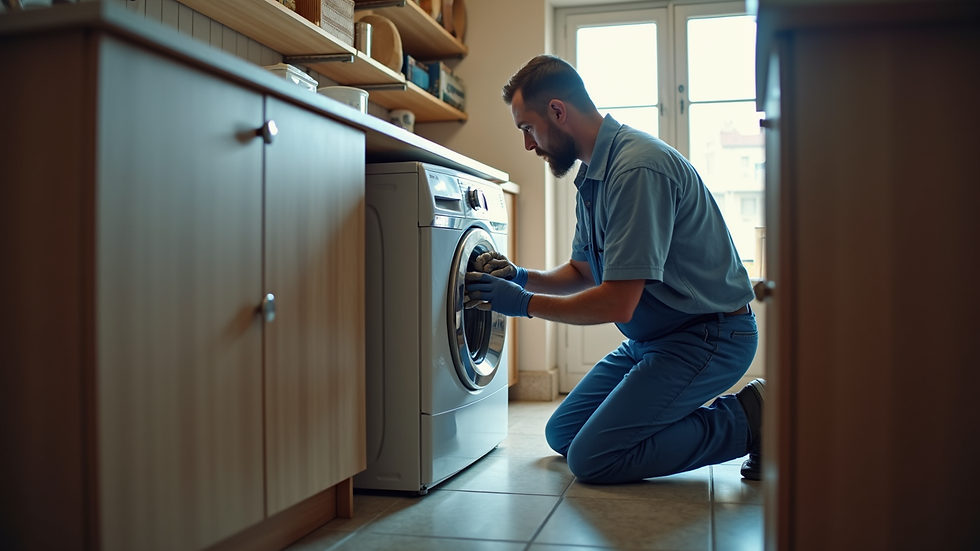
If residue keeps appearing, your machine might need repair. Faulty parts can stop proper rinsing. A service like RePair Team offers quick and affordable appliance repairs. They fix washing machines on-site, so you get your machine working well again fast.
When to Call a Professional
If you’ve tried all the tips and residue still appears, it’s time to get expert help. Washing machines have many parts that can cause problems. A technician can:
Clean internal parts deeply
Fix blocked filters or drainage
Repair faulty seals or pumps
Check electronic controls for errors
Getting your washing machine repaired quickly saves you time and money. It also keeps your clothes looking their best.

Tips for Maintaining Your Washing Machine
Keeping your washing machine in good shape prevents residue and other issues.
Wipe detergent drawers regularly to stop buildup
Leave the door open after washing to dry the drum
Clean the rubber door seal to prevent mould and residue
Use washing machine cleaner monthly
Check hoses and filters for blockages
Following these simple habits extends your machine’s life and keeps laundry fresh.
Residue on clothes after washing is a common problem but easy to fix. Use the right detergent, clean your machine, and avoid overloading. If problems persist, professional repair services like RePair Team can help. They offer reliable and affordable appliance repairs across South Africa, ensuring your washing machine works well and your clothes come out spotless every time.
Take action today to keep your laundry fresh and your washing machine running smoothly. Your clothes deserve it.
Comments