


Why Is My Dishwasher Leaving Residue? How to Fix It Fast

If you’ve ever opened your dishwasher only to find a layer of white or cloudy residue on your dishes, you know how frustrating it can be. You expect your dishwasher to leave your plates sparkling clean, but instead, you get spots, film, or even gritty bits stuck on your glasses and cutlery. I’ve been there, and I want to share what I’ve learned about why this happens and how you can fix it quickly.
Understanding Why Your Dishwasher Leaves Residue
Dishwasher residue can come from several sources. The most common types of residue are:
Hard water spots: These look like white or cloudy film and happen when minerals like calcium and magnesium in your water don’t rinse off properly.
Detergent buildup: Sometimes detergent doesn’t dissolve fully, leaving a powdery or filmy layer.
Food particles: If your dishwasher filter or spray arms are clogged, bits of food can redeposit on your dishes.
Grease or oil residue: This can happen if you don’t pre-rinse oily dishes or if your dishwasher isn’t cleaning effectively.
Each cause has a different fix, so it’s important to identify what’s going on in your machine.
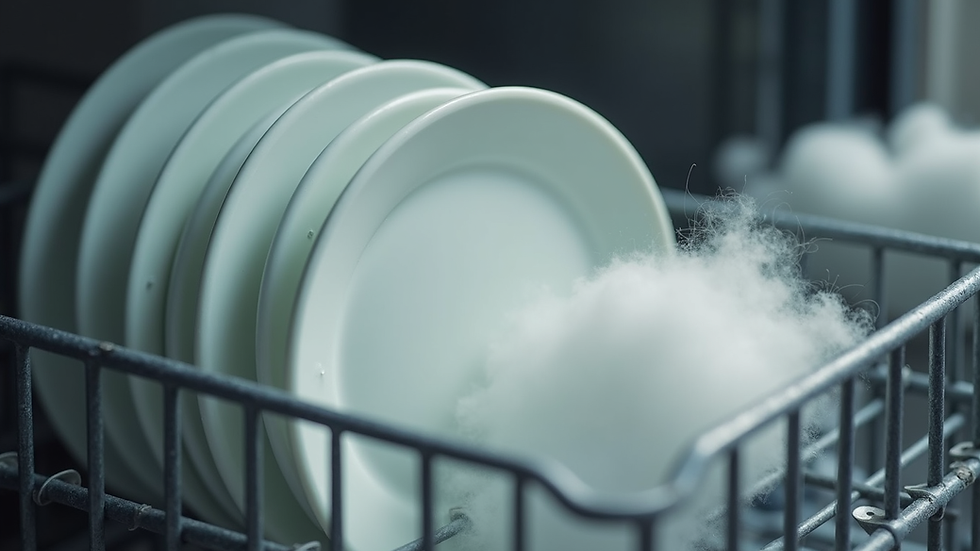
How to Prevent Dishwasher Residue: Simple Steps That Work
Here are some practical steps I follow to keep my dishwasher residue-free:
Use the right detergent
Choose a detergent designed for your water type. If you have hard water, look for detergents with water softening agents. Avoid using too much detergent, as excess can leave residue.
Check your water temperature
Your dishwasher works best with water around 50-60°C. If your water is too cold, detergent won’t dissolve properly, and residue can form.
Clean the filter regularly
Food particles trapped in the filter can cause residue buildup. Remove and rinse the filter every few weeks to keep it clear.
Inspect and clean spray arms
Spray arms can get clogged with debris, reducing water flow. Remove them and rinse under running water to clear any blockages.
Use a rinse aid
Rinse aids help water sheet off dishes, preventing spots and film. Make sure your rinse aid dispenser is full and working.
Don’t overload the dishwasher
Overcrowding blocks water and detergent from reaching all surfaces. Load dishes with space between them for the best cleaning.
Run a cleaning cycle monthly
Use a dishwasher cleaner or a cup of white vinegar on the top rack to remove grease and mineral buildup inside the machine.
When to Call a Professional for Dishwasher Repairs
Sometimes, residue problems are a sign of a bigger issue. If you’ve tried all the above and still see residue, it might be time to get expert help. Here are some signs that your dishwasher needs professional attention:
Water isn’t draining properly
Spray arms don’t spin or spray water evenly
The dishwasher smells bad despite cleaning
You notice leaks or unusual noises during cycles
Residue persists even after cleaning filters and using the right detergent
A qualified technician can diagnose and fix problems like faulty pumps, blocked drains, or heating element issues. Getting repairs done quickly can save you money and prevent further damage.

Quick Fixes You Can Try Today
If you want to tackle dishwasher residue yourself before calling a repair service, here are some easy fixes:
Run a hot water cycle before starting the dishwasher
Run your kitchen tap until the water is hot, then start the dishwasher. This ensures the machine fills with hot water from the start.
Use white vinegar as a natural rinse aid
Place a cup of white vinegar on the top rack and run a hot cycle without detergent. Vinegar helps dissolve mineral deposits and grease.
Check and adjust your detergent amount
Sometimes less is more. Try reducing the detergent dose and see if residue improves.
Clean the door seals and edges
Wipe down the rubber seals and edges of the door to remove grime that can cause odors and residue.
Inspect your water hardness
You can buy a simple water hardness test kit. If your water is very hard, consider installing a water softener or using special detergents.
Keeping Your Dishwasher Running Smoothly Long-Term
Regular maintenance is key to preventing residue and keeping your dishwasher working well. Here’s a quick checklist I follow every month:
Clean the filter and spray arms
Run a cleaning cycle with vinegar or a dishwasher cleaner
Check detergent and rinse aid levels
Inspect door seals and clean if needed
Monitor water temperature and hardness
By staying on top of these tasks, you’ll enjoy spotless dishes and fewer headaches.
If you ever need help with appliance repairs, the RePair Team is a great resource. They offer quick, reliable, and affordable service, often fixing issues on-site with guaranteed workmanship. It’s reassuring to know experts are just a call away when you need them.
Keeping your dishwasher residue-free doesn’t have to be a mystery. With a little care and attention, you can enjoy clean, sparkling dishes every time. Try these tips and see the difference for yourself!


Comments