


What to Do When Your Washing Machine Is Leaking Water
- RePair Team
- Mar 4
- 4 min read

A leaking washing machine can quickly turn from a minor annoyance into a major headache. Water pooling on your laundry room floor is not only messy but can also cause damage to your home. When I first noticed water leaking from my washing machine, I felt overwhelmed. But after some research and hands-on troubleshooting, I learned how to identify the cause and fix it efficiently. In this post, I’ll walk you through everything you need to know about washing machine leaks, so you can tackle the problem confidently and keep your home safe.
Common Causes of Washing Machine Leaks
Understanding why your washing machine is leaking water is the first step to fixing it. Here are some of the most frequent reasons:
Damaged or Loose Hoses: The hoses that supply water to your machine or drain it can crack, split, or become loose over time.
Faulty Door Seal: Front-loading machines have a rubber door seal that can wear out or get clogged with debris, causing leaks.
Clogged or Broken Drain Pump: If the drain pump is blocked or damaged, water may leak during the spin cycle.
Overloading the Machine: Putting too many clothes in the washer can cause water to spill out.
Detergent Issues: Using too much detergent or the wrong type can create excess suds that overflow.
Internal Component Failures: Sometimes, internal parts like the tub or water inlet valve develop cracks or faults.
By checking these areas, you can narrow down the cause of the leak and decide whether it’s a simple fix or if you need professional help.
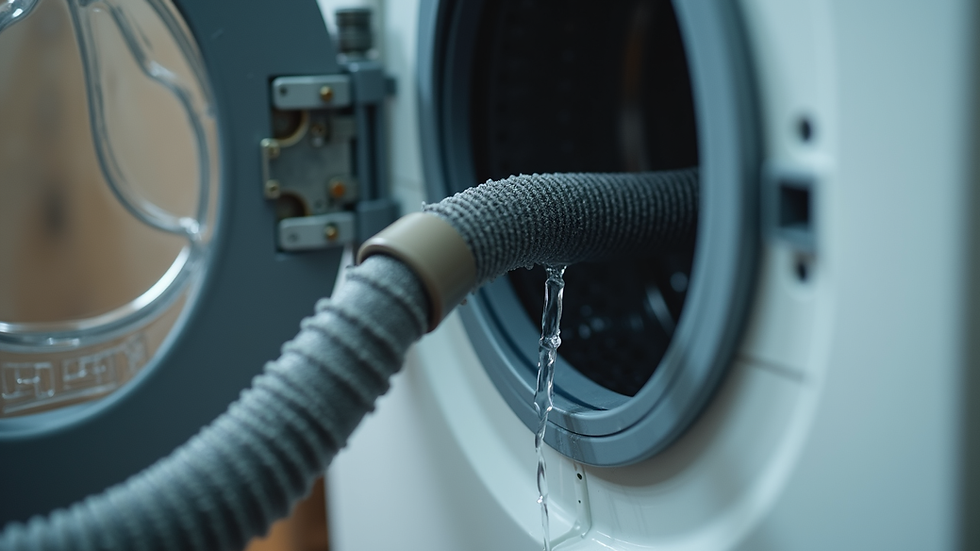
Close-up of a washing machine hose connection leaking water
How to Inspect Your Washing Machine for Leaks
Before you start any repairs, it’s important to do a thorough inspection. Here’s a step-by-step guide to help you find the source of the leak:
Unplug the Machine: Safety first. Always disconnect the power before inspecting or repairing.
Check the Hoses: Look at the water supply hoses at the back. Are they cracked, loose, or wet? Tighten any loose connections.
Inspect the Door Seal: For front-loaders, open the door and examine the rubber seal. Look for tears, holes, or trapped debris.
Look Underneath: Use a flashlight to check under the machine for puddles or dripping water.
Run a Test Cycle: With a towel or bucket nearby, run a short wash cycle and watch closely for leaks.
Check the Detergent Drawer: Remove and clean the detergent drawer. Sometimes detergent buildup causes water to overflow.
If you find a damaged hose or seal, replacing it might solve the problem. If the leak is coming from inside the machine or the drain pump, it might be time to call in a professional.
Simple Fixes You Can Try at Home
Many washing machine leaks can be fixed without expensive repairs. Here are some practical solutions you can try:
Tighten or Replace Hoses: If a hose is loose, tighten the clamps. If it’s cracked or old, replace it with a new one.
Clean the Door Seal: Wipe down the rubber seal with a damp cloth and remove any debris or soap scum.
Use the Right Detergent: Make sure you’re using a detergent designed for your machine type and avoid overusing it.
Don’t Overload the Washer: Follow the manufacturer’s load size recommendations to prevent water from spilling.
Clear the Drain Pump Filter: Some machines have a filter you can clean to remove lint or small objects blocking drainage.
These fixes often solve the problem quickly and save you the hassle of waiting for a repair technician.

Eye-level view of cleaning the washing machine door seal to prevent leaks
When to Call a Professional Repair Service
Sometimes, the leak is a sign of a more serious issue that requires expert attention. Here are some signs you should contact a professional:
Water is leaking from inside the machine or the base.
You notice electrical issues or the machine won’t start.
The leak persists after you’ve tried basic fixes.
You see water pooling but can’t find the source.
The drain pump or internal components need replacement.
Professional technicians have the tools and experience to diagnose and fix complex problems quickly. They can also ensure the repair is done safely and correctly, giving you peace of mind.
If you’re in South Africa and need reliable appliance repair, the RePair Team offers quick, affordable, and guaranteed workmanship. They aim to fix most issues on-site, so you don’t have to wait long for your washing machine to be back in action.
Tips to Prevent Future Washing Machine Leaks
Once your washing machine is leak-free, it’s smart to take steps to prevent future problems. Here are some tips that have worked well for me:
Regularly Inspect Hoses and Seals: Check these parts every few months for signs of wear.
Use the Correct Detergent and Amount: This reduces suds and buildup.
Avoid Overloading: Stick to the recommended load size.
Keep the Door Open After Use: This helps the seal dry and prevents mold.
Clean the Machine Periodically: Run a maintenance cycle with washing machine cleaner or vinegar.
Ensure Proper Installation: Make sure the machine is level and hoses are correctly connected.
By following these simple steps, you can extend the life of your washing machine and avoid leaks that disrupt your routine.
Getting Your Washing Machine Back to Perfect Working Order
Dealing with a washing machine leaking water can feel stressful, but with the right approach, it’s manageable. Start by identifying the cause, try simple fixes, and don’t hesitate to call in professionals when needed. Remember, a well-maintained washing machine not only saves water and energy but also keeps your home safe from water damage.
If you want fast, reliable, and affordable appliance repairs, consider reaching out to the RePair Team. Their expert technicians are ready to help you get your washing machine running smoothly again with guaranteed workmanship.
Taking care of your washing machine today means fewer headaches tomorrow. Happy washing!


Comments