


Washing Machine Vibrating Excessively and How to Fix It
- RePair Team
- Mar 24
- 4 min read


Washing machines are a big help in every home and business, but when they start vibrating excessively, it can be frustrating and worrying. Excessive vibration not only makes noise but can also damage your machine and the floor beneath it. I’ve seen many cases where a simple fix prevented costly repairs or replacements. If your washing machine is shaking more than usual, this post will guide you through the common causes and practical solutions.
Why Your Washing Machine Vibrates Excessively
A washing machine vibrates during the spin cycle because the drum spins at high speed to remove water from clothes. Some vibration is normal, but when it becomes excessive, it usually means something is off balance or damaged. Here are the main reasons:
Uneven load: If clothes are bunched up on one side, the drum becomes unbalanced.
Machine not level: If the washing machine is not sitting flat on the floor, it will shake.
Worn or broken shock absorbers: These parts reduce drum movement.
Damaged suspension springs: They hold the drum in place and absorb shocks.
Faulty or worn bearings: Bearings allow the drum to spin smoothly.
Loose or broken counterweights: These balance the drum during spinning.
Floor issues: Weak or uneven floors can amplify vibration.
How to Check and Fix Excessive Vibration
Step 1: Check the Load
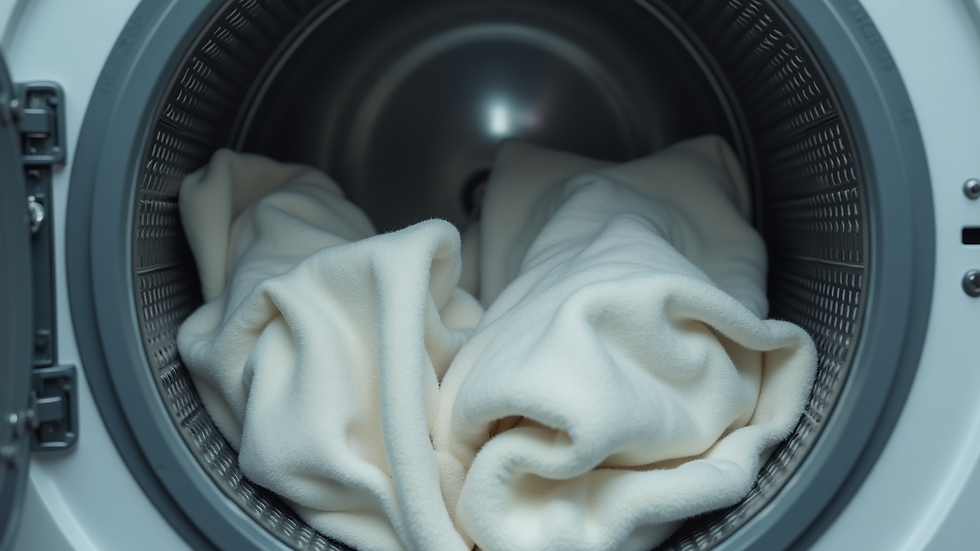
Start by making sure the clothes inside the drum are evenly distributed. Overloading or washing a single heavy item like a blanket can cause imbalance.
Stop the machine and rearrange the clothes.
Try washing smaller loads.
Avoid mixing heavy and light items in one cycle.
Step 2: Level the Washing Machine
Use a spirit level to check if your machine is sitting flat. Most washing machines have adjustable feet.
Adjust the feet by turning them clockwise or counterclockwise.
Make sure all feet touch the floor firmly.
If the floor is uneven, place a sturdy piece of plywood under the machine.
Step 3: Inspect Shock Absorbers and Suspension Springs
Shock absorbers and springs reduce drum movement. If they are worn or broken, vibration increases.
Open the washing machine cabinet (unplug first).
Check for visible damage or wear on shock absorbers and springs.
If damaged, replace them with quality parts.
Step 4: Examine Bearings and Counterweights
Worn bearings cause loud noise and vibration. Counterweights balance the drum.
Listen for grinding or rumbling sounds during spin.
Check if counterweights are loose or cracked.
Tighten or replace parts as needed.
Step 5: Consider Professional Repair Services
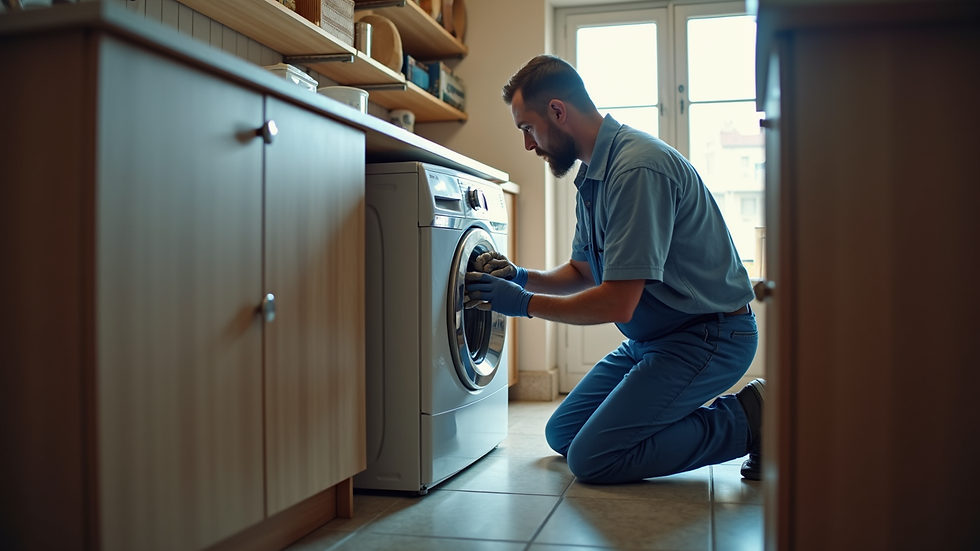
If you’re unsure or the problem persists, it’s best to call a professional. For example, the RePair Team offers quick, reliable, and affordable appliance repairs. They fix most issues on-site and guarantee their workmanship, which saves you time and stress.
Comparing Washing Machine Repair Services
When choosing a repair service, consider these factors:
| Service Provider | Response Time | On-site Repair | Warranty | Pricing |
|------------------|---------------|----------------|----------|---------|
| RePair Team | Same day | Yes | Guaranteed workmanship | Affordable |
| Local Independent Repair | Varies | Sometimes | Varies | Variable |
| Manufacturer Service | 2-5 days | Usually | Warranty-covered if in warranty | Higher cost |
RePair Team stands out for fast response and on-site repairs, which means less downtime for your washing machine. Their affordable pricing and workmanship guarantee make them a reliable choice.

Preventing Excessive Vibration in the Future
Prevention is better than repair. Here are some tips to keep your washing machine running smoothly:
Always level your machine after installation.
Avoid overloading or underloading the drum.
Use the right wash cycle for your load size.
Regularly check and clean the machine’s drum and filters.
Place the machine on a solid, flat surface.
Schedule regular maintenance with a trusted repair service like RePair Team.
When to Replace Your Washing Machine
Sometimes, vibration signals that your washing machine is near the end of its life. If you notice:
Frequent breakdowns despite repairs.
Excessive noise and vibration even after fixing parts.
Water leaks or electrical issues.
It might be time to consider a new machine. But before that, a professional assessment can help you decide.

Excessive vibration in washing machines is a common problem but often easy to fix. By checking the load, leveling the machine, inspecting key parts, and calling in professionals when needed, you can keep your appliance running quietly and efficiently. If you want a trusted partner for repairs, the RePair Team is ready to help with fast, affordable service and guaranteed workmanship.
Don’t let a noisy washing machine disrupt your day. Take action early and enjoy peace of mind knowing your appliance is in good hands.
Comments