


Washing Machine Not Draining: What to Do When Your Laundry Piles Up
- RePair Team
- Mar 20
- 4 min read


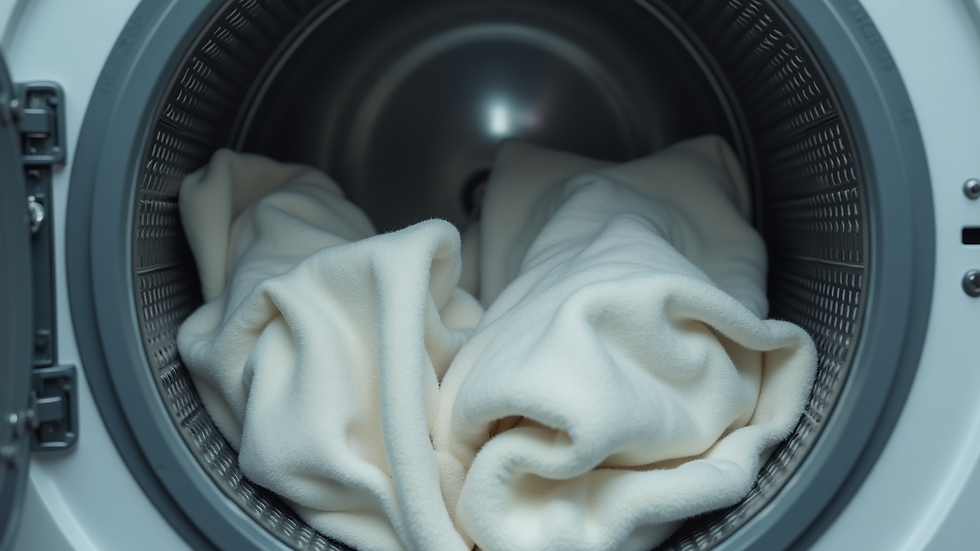
Laundry day can quickly turn frustrating when your washing machine does not drain properly. Clothes stay soaked, water pools inside the drum, and the cycle never finishes. If you’ve faced this problem, you know how inconvenient it is. Fortunately, many causes are easy to identify and fix. I’ll guide you through the common reasons your washing machine is not draining and share practical steps to get it working again.
Why Your Washing Machine Might Not Be Draining
When water stays inside the drum after the spin cycle, it usually means the machine cannot pump the water out. Here are the main reasons this happens:
Clogged Drain Hose
Over time, lint, small clothing items, or debris can block the drain hose. This stops water from flowing out properly.
Blocked Pump Filter
Many washing machines have a filter that catches dirt and small objects. If this filter is full or blocked, the pump cannot push water out.
Faulty Drain Pump
The drain pump moves water from the drum to the drain hose. If the pump motor fails or the impeller is broken, water won’t drain.
Kinked or Damaged Drain Hose
If the hose is bent sharply or damaged, water flow is restricted.
Drainage System Issues
Sometimes the problem is outside the machine, such as a blocked household drain or plumbing issue.
Electrical or Control Board Problems
If the machine’s control system does not send the right signals, the pump may not activate.
How to Fix a Washing Machine That Won’t Drain
You don’t always need a technician to fix this problem. Here are some steps you can try yourself:
1. Check the Drain Hose
Unplug the machine for safety.
Locate the drain hose at the back.
Inspect it for kinks, bends, or damage. Straighten any kinks.
Detach the hose and check for blockages by running water through it or using a flexible brush.
2. Clean the Pump Filter
Many front-loaders have a small door near the bottom front.
Open it and place a shallow tray or towel to catch water.
Unscrew the filter cap and remove any lint, coins, or debris.
Rinse the filter under running water and replace it securely.
3. Test the Drain Pump
If you hear the pump running but no water drains, the impeller might be stuck.
Remove the pump (refer to your manual) and check for blockages or damage.
If the pump motor is silent during drain cycles, it may need replacement.
4. Inspect Household Drains
Check if other drains in your home are slow or blocked.
Clear any clogs in your sink or floor drains connected to the washing machine.
5. Reset or Replace Control Board
Sometimes unplugging the machine for 10 minutes resets the control board.
If problems persist, a technician can test and replace faulty electronics.

When to Call a Professional Repair Service
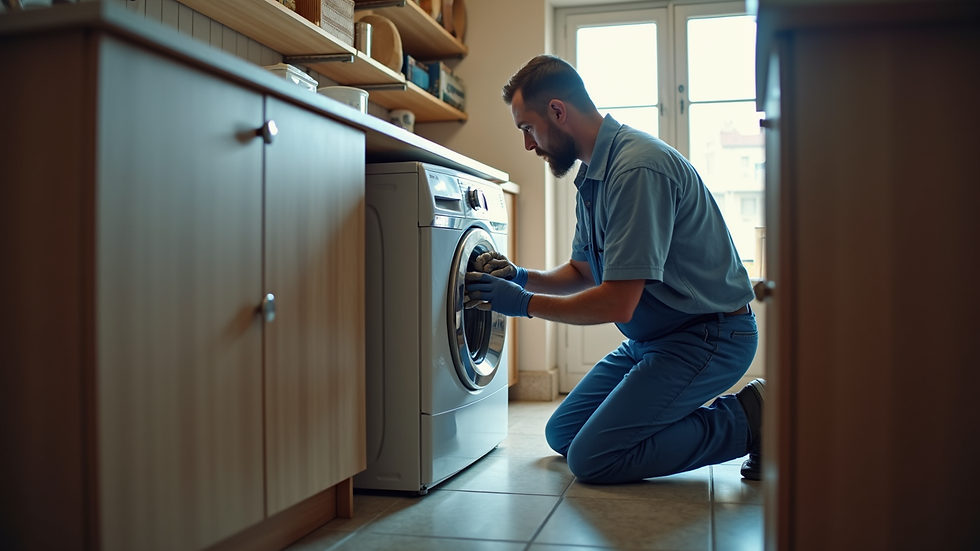
If you’ve tried the above steps and your washing machine still does not drain, it’s time to get expert help. A professional can diagnose electrical faults, replace broken pumps, or fix complex drainage issues safely.
In South Africa, services like RePair Team offer quick, reliable, and affordable appliance repairs. They aim to fix most problems on-site, saving you time and hassle. Their technicians guarantee workmanship, so you can trust your washing machine will be back to normal soon.
Preventing Future Drainage Problems
Keeping your washing machine in good shape helps avoid drainage issues. Here are some tips:
Use a Lint Trap or Filter
Some machines or hoses have lint traps to catch fibres before they reach the pump.
Avoid Overloading
Too many clothes can strain the pump and cause blockages.
Regularly Clean the Filter
Make it a habit to check and clean the pump filter every few months.
Use Proper Detergent
Excessive suds can cause drainage problems.
Inspect Hoses Annually
Look for wear, cracks, or kinks and replace hoses as needed.

Comparing Drainage Repair Options
If you need parts or services, here are some options to consider:
RePair Team Appliance Repairs
They provide on-site repairs with guaranteed workmanship. Ideal for quick fixes and pump replacements.
Local Hardware Stores
You can buy replacement drain hoses or pump filters here. Good for DIY repairs if you are confident.
Authorized Service Centres
For complex electrical issues, authorized centres have trained technicians and original parts.
Choosing the right option depends on your comfort with repairs, urgency, and budget. For most homeowners, a trusted repair service like RePair Team offers the best balance of speed and quality.
Final Thoughts on Washing Machine Drain Issues
A washing machine that won’t drain is a common but fixable problem. Start by checking hoses and filters, then move to pump inspection. If you’re unsure or the problem persists, professional repair services can save you time and stress.
Remember, regular maintenance prevents many drainage issues. Clean filters, avoid overloading, and inspect hoses to keep your machine running smoothly.
If you need expert help, consider contacting RePair Team for fast, reliable repairs with guaranteed workmanship. Don’t let a blocked drain stop your laundry day.
This article is for informational purposes only and does not replace professional appliance repair advice.
Comments