


Washer Repair Parts Replacement: A Simple Guide to Fixing Your Washer
- RePair Team
- Mar 4
- 4 min read

When your washing machine starts acting up, it can throw a wrench in your daily routine. I know how frustrating it is to have laundry pile up because your washer isn’t working properly. The good news is that many common washer problems can be fixed by replacing a few key parts. In this guide, I’ll walk you through the basics of washer repair parts replacement. You’ll learn how to identify faulty parts, where to find replacements, and how to install them safely and effectively.
Understanding Common Washer Problems and Their Parts
Before diving into repairs, it’s important to understand what might be causing your washer to malfunction. Washers have several parts that can wear out or break over time. Here are some common issues and the parts often involved:
Washer won’t start: This could be due to a faulty lid switch or a broken timer.
Washer won’t spin: The drive belt or motor coupler might be worn or broken.
Water won’t drain: A clogged or broken drain pump is often the culprit.
Washer leaks water: Damaged door seals or hoses can cause leaks.
Washer makes loud noises: Worn bearings or suspension springs may need replacement.
Knowing the problem helps you focus on the right parts to replace. For example, if your washer won’t spin, checking the drive belt is a good first step.
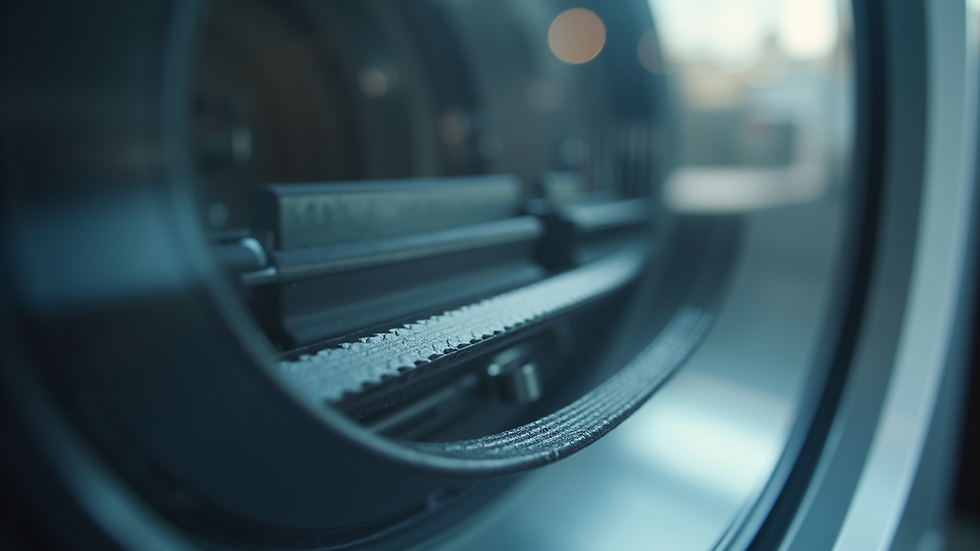
Drive belt inside a washing machine, a common part to replace when the washer won’t spin.
How to Find the Right Washer Repair Parts Replacement
Finding the correct parts for your washer is crucial. Using the wrong part can cause more damage or simply won’t fix the problem. Here’s how to make sure you get the right parts:
Identify your washer model: Look for the model number on the washer’s door frame or back panel. This number helps you find parts that fit your specific machine.
Use trusted sources: Purchase parts from reputable suppliers or directly from the manufacturer’s website. This ensures quality and compatibility.
Check part numbers: When you find a part, compare its number with the one listed in your washer’s manual or online parts diagram.
Ask for help if needed: If you’re unsure, contact a professional or the supplier’s customer service for advice.
By following these steps, you avoid wasting time and money on incorrect parts.
Step-by-Step Guide to Replacing Washer Parts
Replacing parts in your washer might seem intimidating, but with the right approach, it’s manageable. Here’s a simple step-by-step guide to help you replace common parts safely:
Tools You’ll Need
Screwdrivers (Phillips and flathead)
Pliers
Socket wrench set
Towels or a small bucket (to catch water)
Flashlight (for better visibility)
General Replacement Steps
Unplug the washer: Safety first. Always disconnect the power before working on your appliance.
Turn off water supply: Shut off the water valves to prevent leaks.
Access the faulty part: Remove the washer’s back panel, top cover, or front panel depending on the part location.
Remove the old part: Unscrew or unclip the faulty part carefully. Take note of how it’s installed.
Install the new part: Fit the replacement part in the same position. Secure it with screws or clips.
Reassemble the washer: Put the panels back and tighten all screws.
Test the washer: Plug it back in, turn on the water, and run a test cycle to ensure the repair worked.
For example, replacing a drive belt involves removing the back panel, slipping off the old belt, and fitting the new one around the motor and drum pulleys.

Washer with back panel removed, showing internal parts for easy access during repair.
Tips for Maintaining Your Washer After Repair
Once you’ve replaced the faulty parts, it’s important to keep your washer in good shape to avoid future breakdowns. Here are some practical tips:
Clean the washer regularly: Run a cleaning cycle with vinegar or a washing machine cleaner to remove detergent buildup.
Check hoses and seals: Inspect hoses for cracks and seals for wear. Replace them if needed.
Don’t overload the washer: Overloading strains the motor and suspension parts.
Use the right detergent: Use high-efficiency detergent if your washer requires it.
Level the washer: Make sure your washer is on a flat surface to prevent excessive vibration.
Following these tips can extend the life of your washer and reduce the need for repairs.
When to Call a Professional for Washer Repairs
While many repairs can be done at home, some situations require professional help. Here’s when you should consider calling a repair technician:
If you’re unsure about diagnosing the problem.
When the repair involves electrical components beyond simple parts replacement.
If the washer has multiple issues or complex mechanical failures.
When you don’t have the right tools or feel uncomfortable doing the repair.
A professional can often fix most issues on-site quickly and affordably, ensuring your washer works reliably again. Remember, choosing a trusted service with guaranteed workmanship gives you peace of mind.
By understanding washer repair parts replacement, you can save time and money while keeping your laundry routine running smoothly. Whether you tackle the repair yourself or call in the experts, knowing the basics helps you make informed decisions. Keep your washer in top shape and enjoy clean clothes without the hassle!
Comments