


Understanding Samsung Washing Machine Fault Codes for Quick Repairs

When your Samsung washing machine shows a fault code, it can be confusing and frustrating. These codes are designed to help identify what’s wrong, but without a clear guide, they might feel like a secret language. I want to help you understand these fault codes so you can quickly spot the problem and decide the best way to fix it.
Samsung washing machines are popular in many homes and businesses across South Africa. They are reliable but, like any appliance, they can develop issues. Knowing what the fault codes mean can save you time and money by helping you decide if you can fix the problem yourself or if you need professional help.
What Samsung Washing Machine Fault Codes Mean
Fault codes are error messages displayed on your washing machine’s screen. Each code points to a specific problem. For example, a code might indicate a water supply issue, a drainage problem, or a door lock fault. Understanding these codes helps you diagnose the issue faster.
Here are some common Samsung washing machine fault codes and what they mean:
4E or 4C: Water supply error. The machine isn’t filling with water properly. This could be due to a blocked hose or low water pressure.
5E or 5C: Drainage error. The machine can’t drain water. This might be caused by a clogged drain hose or pump.
UE or UB: Unbalanced load. The machine detects that clothes are unevenly distributed, which can cause vibration.
dE: Door error. The door is not properly closed or locked.
LE: Water leakage detected. This usually means there is a leak inside the machine.
OE: Overflow error. The machine is filling with too much water.
These codes are just a few examples. Samsung washing machines have many fault codes, each pointing to a different issue. If you want a full list, Samsung’s user manuals or official websites provide detailed explanations.
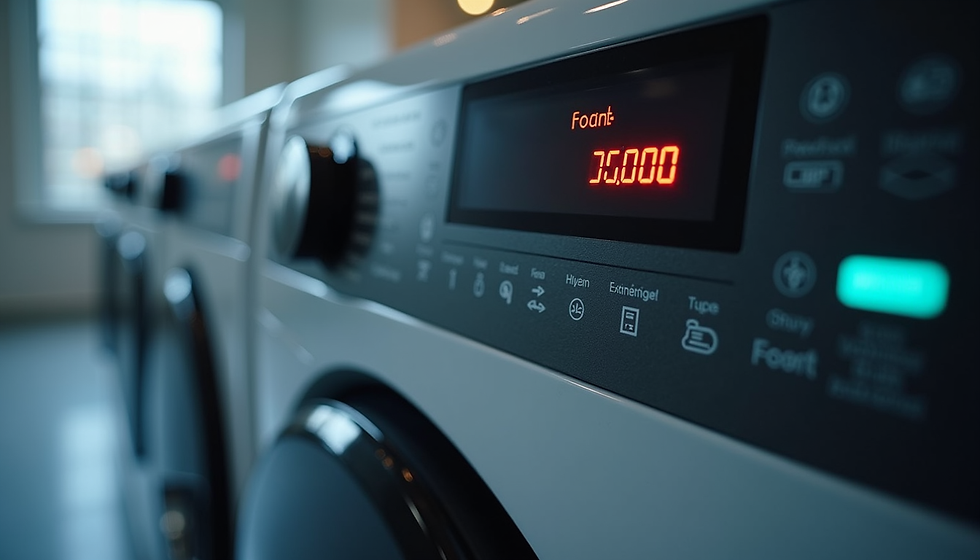
Close-up view of Samsung washing machine control panel showing fault code
How to Respond to Samsung Washing Machine Fault Codes
When you see a fault code, the first step is to check the user manual. It often has troubleshooting tips for common codes. If you don’t have the manual, Samsung’s website or trusted appliance repair services can help.
Here are some practical steps you can take for common fault codes:
Water supply errors (4E/4C): Check if the water tap is open. Inspect the inlet hose for kinks or blockages. Clean the water filter if it’s dirty.
Drainage errors (5E/5C): Look for clogs in the drain hose or pump filter. Remove any debris or lint that might block water flow.
Unbalanced load (UE/UB): Stop the machine and redistribute the clothes evenly. Avoid washing very heavy items alone.
Door errors (dE): Make sure the door is fully closed. Check for any objects blocking the door lock.
Leakage (LE): Inspect hoses and connections for leaks. If you find water pooling under the machine, turn it off and call a professional.
If these steps don’t fix the problem, it’s best to contact a reliable repair service. Attempting complex repairs without experience can cause more damage.
When to Call a Professional Repair Service
Some fault codes indicate issues that need expert attention. For example, problems with the motor, electronic control board, or internal sensors require special tools and knowledge.
In South Africa, services like RePair Team offer quick, reliable, and affordable appliance repairs. They aim to fix most issues on-site, which means less waiting and no need to take your washing machine to a workshop.
Using a professional service has benefits:
Expert diagnosis: They can read fault codes accurately and identify hidden problems.
Genuine parts: Professionals use original Samsung parts to ensure your machine works like new.
Guaranteed workmanship: You get peace of mind knowing the repair is backed by a warranty.
If you want to avoid long downtime, booking a service with a trusted team is a smart choice. They can also provide maintenance tips to prevent future faults.

Eye-level view of a technician repairing a Samsung washing machine in a home laundry room
Comparing Repair Options for Samsung Washing Machines
When your washing machine shows a fault code, you have a few options:
DIY repair: Suitable for simple issues like cleaning filters or redistributing clothes. It saves money but requires some confidence and care.
Local appliance repair services: They offer quick fixes and can handle most common problems. For example, RePair Team provides affordable on-site repairs with guaranteed workmanship.
Manufacturer service centres: These are official Samsung repair centres. They are reliable but might be more expensive and take longer.
Choosing the right option depends on the fault code and your comfort level with repairs. For example, if you see a 4E water supply error, you might try checking hoses yourself. But if the machine shows an LE leakage code, calling a professional is safer.
Tips to Prevent Samsung Washing Machine Faults
Prevention is better than repair. Here are some tips to keep your washing machine running smoothly:
Use the right amount of detergent to avoid build-up.
Clean the lint filter regularly.
Avoid overloading the machine.
Check hoses for wear and tear every few months.
Keep the door open after use to prevent mould.
Regular maintenance reduces the chance of fault codes appearing. If you’re unsure about maintenance, professional services can offer routine checks.

High angle view of washing machine hoses and connections
Samsung washing machine fault codes are useful tools to understand what’s wrong with your appliance. By learning what these codes mean, you can take quick action to fix minor problems or know when to call a professional.
If you need help, services like RePair Team are ready to assist with fast, affordable repairs. They focus on fixing most issues on-site, so you get your washing machine working again without delay.
Don’t let fault codes stress you out. Use them as a guide to keep your washing machine in top shape and enjoy hassle-free laundry days.


Comments