


Stove Burner Not Heating Properly: How to Fix It Fast and Easy
- RePair Team
- Mar 25
- 4 min read

When your stove burner is not heating properly, it can throw off your whole cooking routine. I’ve been there - trying to boil water or fry an egg only to find the burner barely warms up. It’s frustrating, but the good news is that many common causes are easy to diagnose and fix. In this post, I’ll walk you through practical steps to get your stove burner heating like new again. Whether you have an electric or gas stove, these tips will help you troubleshoot and repair the problem quickly.
Why Your Stove Burner Might Not Be Heating Properly
There are several reasons why a stove burner might not heat correctly. Understanding these can save you time and money. Here are the most common causes:
Dirty or clogged burner ports: Food spills and grease can block the tiny holes where gas or electricity flows.
Faulty burner element (electric stoves): The heating coil may be damaged or worn out.
Ignition problems (gas stoves): The spark or pilot light might not be working.
Loose or damaged wiring: Connections inside the stove can become loose or corroded.
Control switch issues: The knob or switch that controls the burner might be faulty.
Power supply problems: Sometimes the outlet or circuit breaker is the culprit.
Knowing these causes helps you narrow down what to check first. I recommend starting with the simplest fixes before moving on to more complex repairs.

How to Clean and Maintain Your Stove Burner for Better Heating
One of the easiest ways to fix a burner that’s not heating properly is to clean it thoroughly. Over time, grease and food particles build up and block the burner ports or heating elements. Here’s how to clean your stove burner safely and effectively:
Turn off the stove and unplug it to avoid any accidents.
Remove the burner grates and caps (for gas stoves) or coils (for electric stoves).
Soak the parts in warm, soapy water for 15-20 minutes to loosen grime.
Use a soft brush or toothbrush to scrub away stubborn residue.
For gas burners, use a pin or needle to gently clear clogged burner ports.
Wipe everything dry before reassembling.
Clean the stove surface around the burner to prevent future buildup.
Regular cleaning not only improves heating but also extends the life of your stove. I make it a habit to clean my burners every few weeks, especially after cooking greasy meals.
How to Test and Replace a Faulty Burner Element
If cleaning doesn’t solve the problem, the burner element itself might be faulty. This is common with electric stoves where the coil heats up to cook food. Here’s how to check and replace a burner element:
Test the burner: Swap the non-working burner with a working one on your stove. If the problem moves with the burner, the element is likely faulty.
Inspect the element: Look for visible signs of damage like cracks, blisters, or burn marks.
Use a multimeter: If you have one, test the element for continuity. No continuity means the element is broken.
Replace the element: Buy a compatible replacement from a hardware store or online. Unplug the stove, remove the old element by pulling it out gently, and plug in the new one.
Replacing a burner element is usually straightforward and can save you a service call. Just be sure to follow safety precautions and consult your stove’s manual.

When to Call a Professional for Stove Burner Repairs
Sometimes, the issue is more complex than a simple cleaning or part replacement. If you’ve tried the basic fixes and your burner still isn’t heating properly, it might be time to call in a professional. Here are signs you should get expert help:
The burner won’t ignite at all (gas stoves).
You smell gas or see flames where they shouldn’t be.
Electrical components inside the stove seem damaged or burnt.
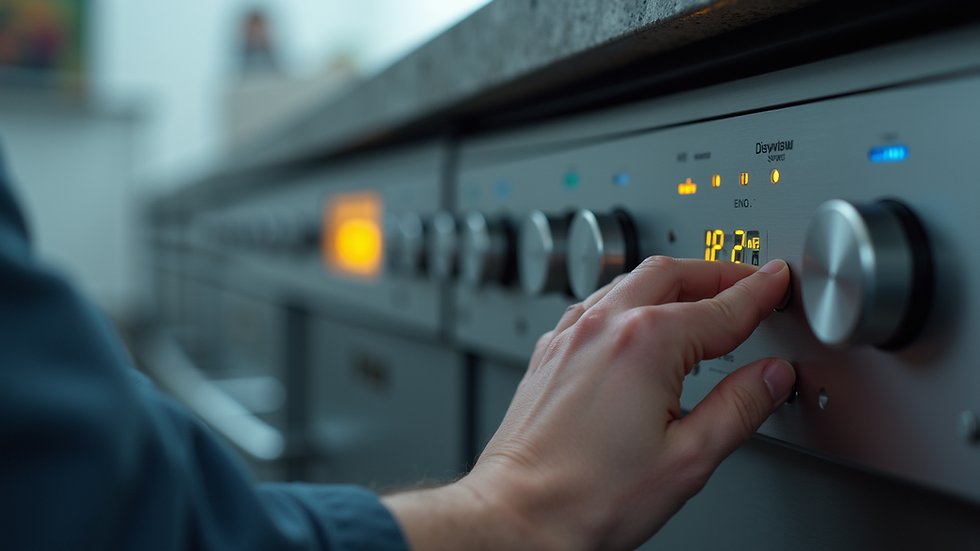
The control knobs or switches don’t respond.
You’re uncomfortable working with electrical or gas appliances.
A qualified technician can diagnose and repair wiring issues, gas leaks, or control board problems safely. Remember, safety is the top priority when dealing with gas and electricity.
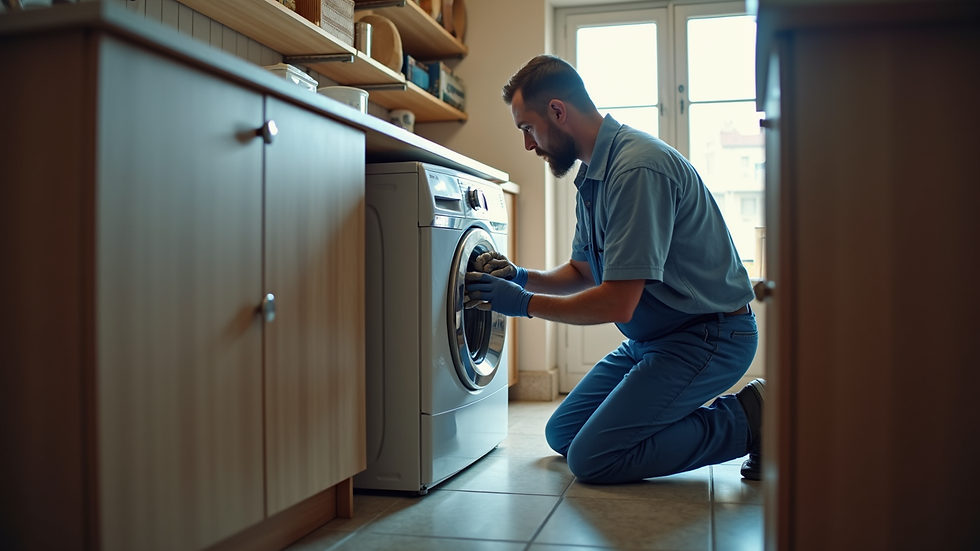
If you’re looking for quick, reliable, and affordable appliance repairs, the RePair Team is a great option. They aim to fix most issues on-site and guarantee their workmanship, so you can get back to cooking without worry.
Tips to Prevent Stove Burner Problems in the Future
Prevention is always better than repair. Here are some simple tips to keep your stove burners heating properly for years to come:
Clean spills immediately to prevent buildup.
Avoid using oversized pots that cover multiple burners and cause uneven heating.
Check burner alignment after cleaning to ensure proper contact.
Inspect burners regularly for signs of wear or damage.
Use the right burner for your cookware size to optimize heat distribution.
Schedule professional maintenance if you notice recurring issues.
By following these tips, you can enjoy consistent cooking performance and avoid unexpected breakdowns.
Getting Your Stove Back to Perfect Heat
A stove burner not heating properly can disrupt your day, but with a little troubleshooting and care, you can often fix it yourself. Start with cleaning, then test the burner element, and don’t hesitate to call a professional if needed. Keeping your stove in good shape means better meals and less stress.
If you want fast and dependable repairs, consider reaching out to the RePair Team. They focus on customer satisfaction and quality workmanship, making them a trusted choice for appliance repair.
Happy cooking!
Comments