


Signs You Need Washing Machine Repair: What to Watch For
- RePair Team
- Mar 4
- 4 min read

Owning a washing machine is a blessing. It saves time, effort, and keeps your clothes fresh and clean. But like any appliance, it can develop problems over time. Knowing when your washing machine needs repair can save you from bigger headaches and costly replacements. I’ve learned that catching issues early is key to keeping laundry day stress-free.
How to Spot Washing Machine Problems Early
Sometimes, washing machines give subtle hints before breaking down completely. Paying attention to these signs can help you decide when to call for professional repair.
Unusual Noises: If your machine starts making banging, grinding, or squeaking sounds, it’s a red flag. These noises often mean something is loose or worn out inside.
Water Leaks: Puddles around your washer or damp floors indicate a leak. This could be from hoses, seals, or the drum itself.
Clothes Not Getting Clean: If your laundry comes out still dirty or smelling bad, the machine might not be spinning or agitating properly.
Cycle Problems: When the washer stops mid-cycle, won’t drain, or won’t spin, it’s time to investigate.
Excessive Vibrations: A shaking or vibrating machine can mean it’s unbalanced or the suspension parts are failing.

Why Timely Washing Machine Repair Matters
Ignoring these signs can lead to bigger problems. A small leak can cause water damage to your floor. A faulty motor or belt can stop your machine from working altogether. Repairing early saves money and extends the life of your appliance.
I always recommend addressing issues as soon as they appear. Waiting too long often means more expensive repairs or even needing a full replacement. Plus, a malfunctioning washing machine can disrupt your daily routine and cause frustration.
Common Washing Machine Issues and What They Mean
Understanding common problems helps you describe the issue clearly when you contact a repair service. Here are some typical faults:
Drainage Problems
If water stays in the drum after the cycle, the drain pump or hose might be clogged or broken.
Door Lock Issues
Front-load washers won’t start if the door lock is faulty. This is a safety feature but can fail over time.
No Power or No Start
Sometimes the machine won’t turn on due to electrical faults, a blown fuse, or a broken control panel.
Overfilling or Underfilling
Water level sensors can malfunction, causing the washer to fill incorrectly.
Detergent Dispenser Problems
If detergent isn’t dispensing properly, the dispenser drawer or water inlet valve might be blocked.
Knowing these helps you explain the problem better and get faster, more accurate repairs.
What to Do When You Notice a Problem
When you spot any of these signs, here’s a simple plan to follow:
Stop Using the Machine: Continuing to run a faulty washer can worsen the damage.
Check for Simple Fixes: Sometimes, cleaning the filter or checking hoses can solve minor issues.
Document the Problem: Take notes or photos of what’s happening. This helps the repair technician understand the issue.
Contact a Trusted Repair Service: Look for a company that offers quick, reliable, and affordable appliance repairs. They should aim to fix most issues on-site and guarantee their workmanship.

How to Choose the Right Washing Machine Repair Service
Finding the right repair team is crucial. Here are some tips to help you pick the best:
Check Reviews and Recommendations: Look for positive feedback from other homeowners or businesses.
Ask About Experience: A team familiar with various brands and models will diagnose and fix problems faster.
Inquire About Guarantees: Reliable services stand behind their work with warranties.
Get a Clear Quote: Avoid surprises by asking for upfront pricing.
Availability and Response Time: Choose a service that can respond quickly to your repair needs.
By choosing wisely, you ensure your washing machine is in good hands and your repair is done right the first time.
Keeping Your Washing Machine Healthy Between Repairs
Prevention is better than cure. Here are some easy tips to keep your washing machine running smoothly:
Don’t Overload: Follow the manufacturer’s load recommendations.
Use the Right Detergent: High-efficiency machines need specific detergents.
Clean the Filter Regularly: This prevents blockages.
Leave the Door Open After Use: This helps prevent mould and bad smells.
Inspect Hoses Periodically: Replace any that look worn or cracked.
These simple habits reduce wear and tear and help avoid unexpected breakdowns.
When to Call for Professional Help
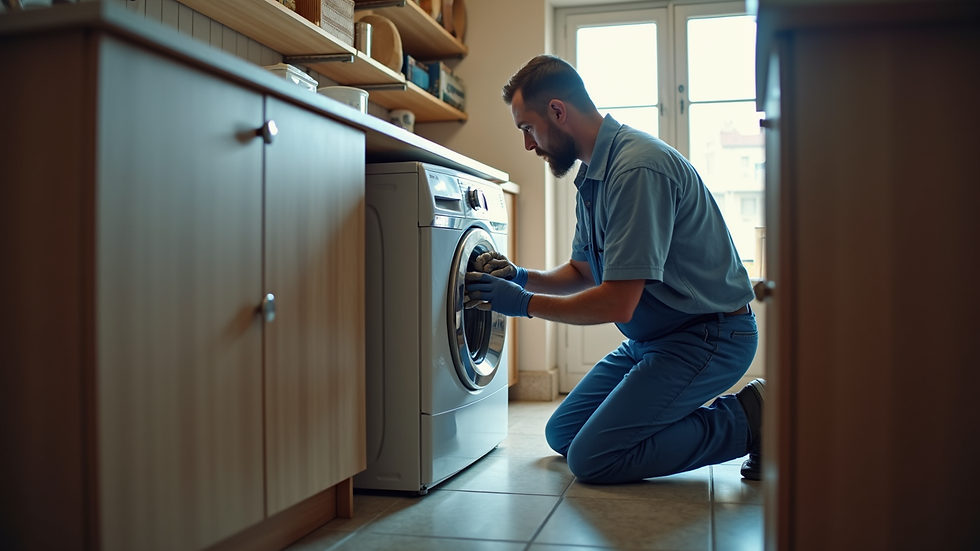
If you notice any of the signs mentioned earlier or if your machine behaves oddly despite your efforts, it’s time to call in the experts. Trying to fix complex issues yourself can be risky and might void your warranty.
Remember, a professional repair service can often fix your washing machine on-site, saving you time and hassle. They have the right tools and knowledge to get your appliance back to perfect working order quickly.
Taking care of your washing machine means less stress and more clean clothes. By watching for signs you need washing machine repair and acting promptly, you protect your investment and keep your laundry routine running smoothly. If you’re ever unsure, don’t hesitate to reach out to a trusted repair team for advice and service. Your washing machine will thank you!
For more tips and reliable appliance repair services, visit RePair Team.
Comments