


Oven Not Heating Repair: A Friendly Guide to Fixing Your Oven Fast
- RePair Team
- Mar 4
- 4 min read

When your oven stops heating, it can throw a wrench in your cooking plans. Whether you’re baking a cake or roasting a Sunday lunch, a cold oven is frustrating. But don’t worry - I’m here to help you understand why your oven might not be heating and how you can fix it quickly and safely. This guide breaks down the process into simple steps, so you can get your oven back to work without stress.
Why Your Oven Might Not Be Heating
There are several reasons why an oven might fail to heat properly. Understanding these can help you diagnose the problem faster.
Power Supply Issues: Sometimes, the oven isn’t getting electricity. This could be due to a tripped circuit breaker or a blown fuse.
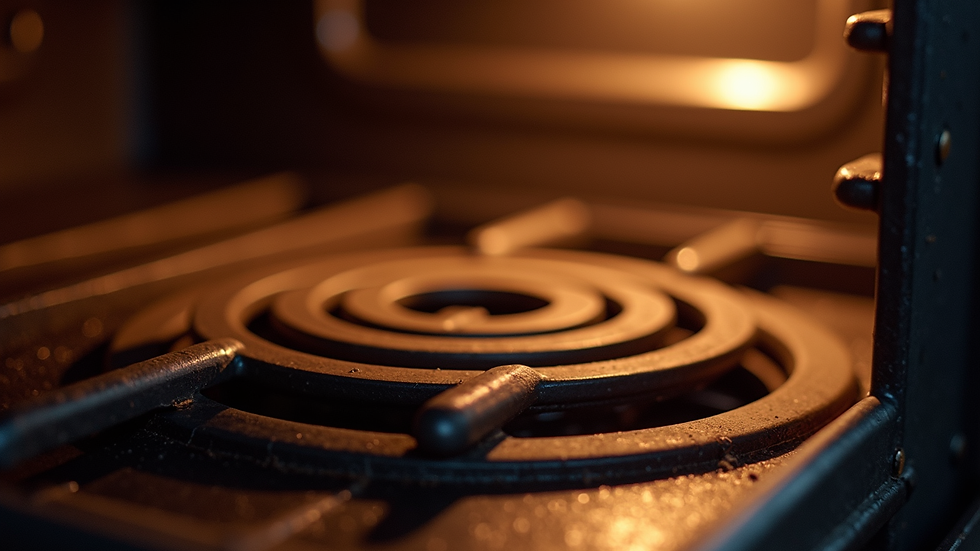
Faulty Heating Element: The heating element is what gets hot inside the oven. If it’s broken or burnt out, the oven won’t heat.
Thermostat Problems: The thermostat controls the oven temperature. If it’s malfunctioning, the oven might not heat to the right temperature or at all.
Igniter Issues (Gas Ovens): For gas ovens, the igniter lights the gas. If it’s weak or broken, the oven won’t heat.
Control Board Malfunction: The control board manages the oven’s functions. A fault here can stop the oven from heating.
Knowing these common causes helps you focus your repair efforts where they matter most.
How to Safely Check Your Oven’s Heating Problem
Before you start any repair, safety is key. Here’s how to check your oven safely:
Unplug the Oven or Switch Off the Power: Always disconnect the oven from the power source to avoid electric shock.
Inspect the Power Supply: Check your home’s circuit breaker or fuse box for any tripped switches or blown fuses.
Look for Visible Damage: Open the oven and inspect the heating element for any cracks, breaks, or burn marks.
Test the Heating Element: If you have a multimeter, you can test the heating element’s continuity to see if it’s working.
Check the Oven Igniter (Gas Ovens): If you have a gas oven, watch if the igniter glows when you turn the oven on. If it doesn’t, it might need replacing.
If you’re not comfortable with electrical testing, it’s best to call a professional. Safety first!
Step-by-Step Oven Not Heating Repair
If you’ve identified the problem, here’s how to fix it step by step.
Replacing a Faulty Heating Element
Turn Off Power: Ensure the oven is unplugged or the circuit breaker is off.
Remove the Old Element: Open the oven door and unscrew the heating element from the back wall.
Disconnect Wires: Carefully pull the element forward and disconnect the wires attached to it.
Install the New Element: Connect the wires to the new heating element and screw it back into place.
Test the Oven: Restore power and turn the oven on to check if it heats.
Fixing a Gas Oven Igniter
Turn Off Gas and Power: Safety first - switch off the gas supply and power.
Access the Igniter: Remove the oven’s bottom panel to reach the igniter.
Remove the Old Igniter: Unscrew and disconnect the igniter.
Install the New Igniter: Connect and screw in the new igniter.
Restore Gas and Power: Turn everything back on and test the oven.
Resetting or Replacing the Thermostat
If the oven heats unevenly or not at all, the thermostat might be faulty.
Reset the Thermostat: Some ovens have a reset button or you can unplug the oven for a few minutes to reset the system.
Replace the Thermostat: If resetting doesn’t work, you may need to replace the thermostat. This usually requires professional help.
When to Call a Professional
If you’ve tried these steps and your oven still won’t heat, or if you’re unsure about handling electrical parts, it’s time to call in the experts. A professional repair technician can diagnose and fix complex issues safely and quickly.
Tips to Keep Your Oven Heating Well
Preventing oven problems is easier than fixing them. Here are some tips to keep your oven in top shape:
Regular Cleaning: Grease and food buildup can affect heating. Clean your oven regularly.
Avoid Overloading: Don’t overload the oven with heavy trays or too much food.
Check Door Seals: A damaged door seal lets heat escape, making the oven work harder.
Use Oven Thermometers: These help you monitor the actual temperature inside the oven.
Schedule Routine Checks: Have your oven inspected by a professional every year.

Getting Your Oven Fixed Quickly and Affordably
When your oven stops heating, you want it fixed fast. That’s why choosing a repair service that offers quick, reliable, and affordable repairs is important. Look for a team that:
Offers On-Site Repairs: Fixing the oven at your home saves time and hassle.
Has Guaranteed Workmanship: This gives you peace of mind that the repair will last.
Is Experienced with Various Oven Types: Whether electric or gas, they should know how to handle it.
Provides Clear Pricing: No hidden fees or surprises.
By choosing the right repair team, you can get back to cooking without delay.
If you want to learn more about how to maintain your appliances or need professional help, check out RePair Team for expert advice and service you can trust.


Comments