


Oven Not Heating But Lights On: What To Do When Your Oven Won't Heat
- RePair Team
- Mar 4
- 4 min read

When your oven lights up but refuses to heat, it can be frustrating. You expect it to warm up and cook your food, but instead, it stays cold. I’ve been there, and I know how confusing it can be. The good news is, this problem often has simple fixes. In this post, I’ll walk you through the common reasons why your oven might not be heating even though the lights are on. I’ll also share practical steps you can take to troubleshoot and possibly fix the issue yourself before calling in the experts.
Understanding Why Your Oven Lights Are On But It’s Not Heating
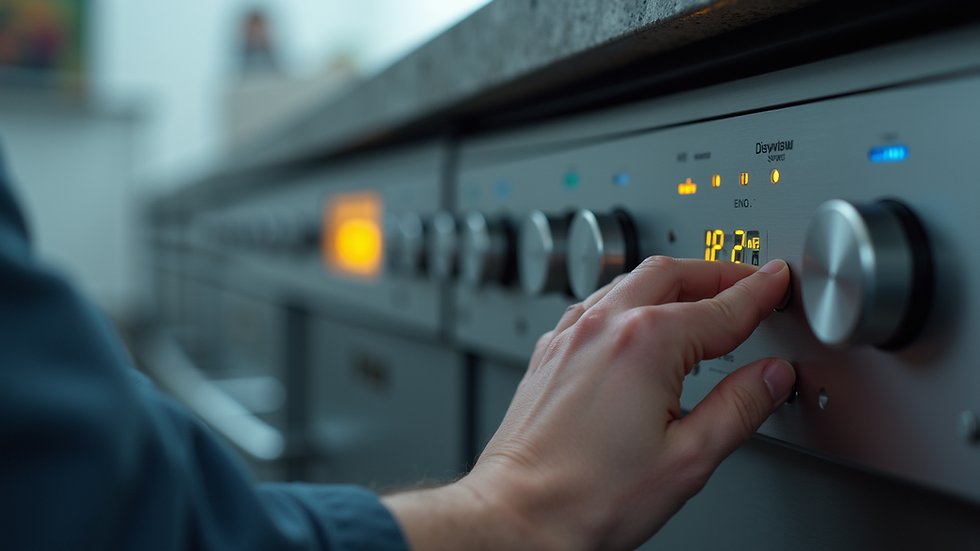
First, it’s important to understand what it means when your oven’s light is on but it’s not heating. The light usually indicates that the oven is receiving power and the control panel is working. However, the heating element or other parts responsible for generating heat might be faulty.
Here are some common causes:
Faulty heating element: The heating element might be broken or burnt out.
Defective thermostat: The thermostat controls the oven temperature and if it’s not working, the oven won’t heat properly.
Blown thermal fuse: This safety device can cut power to the heating element if the oven overheats.
Broken igniter (for gas ovens): The igniter lights the gas burner, and if it’s faulty, the oven won’t heat.
Electrical issues: Loose wiring or a tripped circuit breaker can cause heating problems.
Knowing these causes helps you narrow down what might be wrong with your oven.

How To Check Your Oven’s Heating Element and Thermostat
One of the first things I check when my oven won’t heat is the heating element. This is the part that glows red and produces heat in electric ovens. Here’s how you can inspect it:
Unplug the oven or switch off the circuit breaker to ensure safety.
Open the oven door and look at the heating element. Check for any visible signs of damage like cracks, blisters, or breaks.
If the element looks damaged, it likely needs replacing.
If it looks fine, you can test it with a multimeter to check for continuity. No continuity means the element is faulty.
Next, the thermostat controls the oven temperature. If it’s not working, the oven won’t heat properly or might not heat at all. Testing the thermostat usually requires a professional, but you can check if the oven heats at all or if it shuts off too soon, which might indicate a thermostat issue.
What To Do If Your Oven Is Gas-Powered
Gas ovens have a different heating system. Instead of a heating element, they use an igniter to light the gas burner. If your gas oven lights are on but it’s not heating, the igniter might be the culprit.
Here’s what to look for:
Igniter glow: When you turn on the oven, the igniter should glow bright orange. If it doesn’t glow or glows weakly, it might need replacing.
Gas flow: If the igniter glows but the burner doesn’t light, there could be a gas supply issue.
Safety valve: The igniter also opens the gas safety valve. A faulty igniter won’t open the valve, so no gas reaches the burner.
Gas oven repairs can be tricky and potentially dangerous. If you suspect an igniter or gas supply problem, it’s best to call a professional.

When To Call In The Professionals
Sometimes, the problem is beyond simple fixes. If you’ve checked the heating element and thermostat and the oven still won’t heat, or if you’re dealing with gas components, it’s time to get expert help.
Here’s when to call a repair service:
You’re unsure about handling electrical or gas parts safely.
The oven has no power at all or the circuit breaker trips repeatedly.
You suspect a faulty control board or wiring issues.
The oven heats unevenly or shuts off unexpectedly.
You want a quick, reliable fix with guaranteed workmanship.
In South Africa, services like RePair Team offer fast and affordable appliance repairs. They aim to fix most issues on-site, so you don’t have to wait long without a working oven.
Tips To Prevent Oven Heating Problems
Prevention is always better than repair. Here are some simple tips to keep your oven in good shape:
Clean your oven regularly: Built-up grease and food debris can affect heating elements.
Avoid slamming the oven door: This can damage internal parts.
Check the door seal: A worn-out seal lets heat escape, making the oven work harder.
Use the oven as recommended: Avoid overloading or using it for extended periods without breaks.
Schedule regular maintenance: A professional check-up can catch issues early.
By following these tips, you can extend your oven’s life and avoid unexpected breakdowns.
Getting Your Oven Back To Cooking Perfectly
An oven that lights up but won’t heat is a common problem, but it doesn’t have to ruin your day. By understanding the possible causes and following simple troubleshooting steps, you can often identify the issue quickly. Whether it’s a faulty heating element, a thermostat problem, or a gas igniter issue, knowing when to fix it yourself and when to call a professional is key.
If you need expert help, remember that reliable and affordable appliance repair services are available locally. They can get your oven back to working order fast, so you can enjoy cooking again without stress.
If you want to learn more about appliance repairs or book a service, check out RePair Team for trusted support in your area.
Comments