


Mastering Fixing Washing Machines: A Homeowner’s Guide

Washing machines are a blessing in any home. They save time, energy, and effort. But when they break down, it can feel like a major disruption. Instead of rushing to call a technician, I’ve learned that many common issues can be fixed right at home. With a bit of patience and the right approach, fixing washing machines is something anyone can master. In this guide, I’ll walk you through practical steps, tips, and insights to help you tackle repairs confidently.
Understanding the Basics of Fixing Washing Machines
Before diving into repairs, it’s important to understand how your washing machine works. Most machines have similar components: a drum, motor, water inlet valves, drain pump, and control panel. Knowing these parts helps you identify where the problem might be.
For example, if your machine won’t fill with water, the issue could be with the water inlet valve or the hose. If it won’t spin, the motor or belt might be the culprit. By breaking down the problem, you can focus your efforts and avoid unnecessary work.
Here’s a simple checklist to start with:
Check the power supply and plug.
Inspect the water hoses for kinks or leaks.
Look for error codes on the display panel.
Listen for unusual noises during operation.
Taking these steps helps narrow down the issue and prepares you for the next phase of repair.
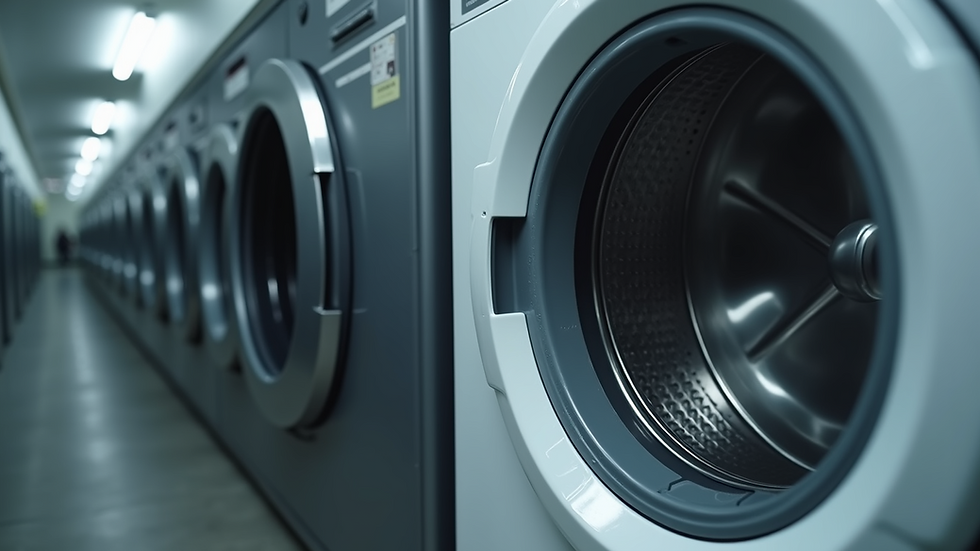
Step-by-Step Guide to Fixing Washing Machines at Home
Now that you know the basics, let’s get hands-on. I’ll guide you through some common repairs that you can do yourself.
1. Machine Won’t Start
Check the power: Make sure the machine is plugged in and the outlet works.
Inspect the door lock: Many machines won’t start if the door isn’t properly closed. Clean the latch and ensure it clicks.
Reset the machine: Sometimes, unplugging for a few minutes resets the electronics.
2. Water Not Filling
Examine the water supply: Ensure taps are open and hoses aren’t blocked.
Clean the inlet filters: Small screens inside the water inlet valve can get clogged.
Test the water inlet valve: If faulty, it may need replacement.
3. Machine Not Draining
Check the drain hose: Look for clogs or kinks.
Clean the pump filter: Many machines have a filter that traps debris.
Inspect the drain pump: Listen for humming sounds; a broken pump may need replacing.
4. Machine Not Spinning
Balance the load: Uneven loads can prevent spinning.
Check the drive belt: If worn or broken, it needs replacement.
Test the motor: If the motor doesn’t run, it might be faulty.
5. Strange Noises or Vibrations
Look for foreign objects: Coins or buttons can get stuck in the drum.
Check the shock absorbers: Worn parts cause excessive vibration.
Inspect the drum bearings: If noisy, they may need professional attention.
Always remember to unplug the machine before starting any repair. Safety first!

Is it worth it to repair a washing machine?
This is a question I often ask myself before starting any repair. The answer depends on several factors:
Age of the machine: If it’s older than 8-10 years, repairs might be less cost-effective.
Cost of parts: Sometimes, replacement parts cost nearly as much as a new machine.
Type of problem: Simple fixes like replacing belts or cleaning filters are usually worth it.
Frequency of breakdowns: If the machine has recurring issues, investing in a new one might be smarter.
In many cases, a quick and affordable repair can extend your machine’s life by years. This is especially true if you choose reliable parts and follow proper repair steps. Plus, fixing your machine yourself saves on labour costs and waiting time.
If you’re unsure, consider getting a professional opinion. Many repair services offer free diagnostics and can advise you on the best course of action.
Tips for Successful Washing Machine Repair at Home
From my experience, a few tips can make your repair journey smoother and more effective:
Keep the manual handy: Your washing machine’s manual is a goldmine of information.
Use the right tools: Screwdrivers, pliers, and a multimeter are essential.
Take photos: Before disassembling, snap pictures to help with reassembly.
Label parts: Keep screws and small parts organized in containers.
Work in a clean space: A tidy area reduces the risk of losing parts.
Don’t rush: Take your time to understand the problem and follow steps carefully.
Watch tutorials: Videos can provide visual guidance and boost confidence.
If you ever feel stuck, don’t hesitate to reach out to professionals. Sometimes, a quick consultation can save hours of frustration.
When to Call in the Experts
While many repairs are doable at home, some issues require professional attention. Here are signs it’s time to call a technician:
Electrical problems or burnt smells.
Complex motor or electronic control failures.
Persistent leaks despite replacing hoses.
Drum or bearing replacements.
If you don’t feel confident handling the repair safely.
Remember, professional repair services like washing machine repair offer quick, reliable, and affordable solutions. They aim to fix most issues on-site and guarantee their workmanship, giving you peace of mind.
Taking care of your washing machine with timely repairs and maintenance can save you money and hassle in the long run. With the right knowledge and tools, fixing washing machines at home is within your reach.
Mastering washing machine repairs is empowering. It keeps your household running smoothly and helps you avoid unnecessary expenses. Whether it’s a simple fix or knowing when to call in the pros, you’re now better equipped to handle whatever your washing machine throws your way. Happy repairing!


Comments