


Kelvinator Dishwasher Repair: Your Guide to Quick and Reliable Fixes
- RePair Team
- Mar 4
- 4 min read

When your Kelvinator dishwasher stops working, it can throw a wrench in your daily routine. Dirty dishes pile up, and the convenience of a clean kitchen feels out of reach. I’ve been there, and I know how frustrating it can be. The good news is that many common dishwasher problems can be fixed quickly and affordably. In this guide, I’ll walk you through practical steps to diagnose and repair your Kelvinator dishwasher, helping you get back to a sparkling kitchen in no time.
Understanding Common Kelvinator Dishwasher Issues
Before diving into repairs, it’s important to know what problems are typical with Kelvinator dishwashers. This helps you identify the issue faster and decide whether it’s a simple fix or if you need professional help.
Some common problems include:
Dishwasher not starting or turning on
Water not draining properly
Dishes coming out dirty or spotted
Strange noises during operation
Leaks under the dishwasher
Each of these issues has specific causes and solutions. For example, if your dishwasher won’t start, it could be a faulty door latch or a blown fuse. If water isn’t draining, the drain hose might be clogged or the pump could be malfunctioning.
Knowing these common problems helps you troubleshoot effectively and avoid unnecessary repairs.
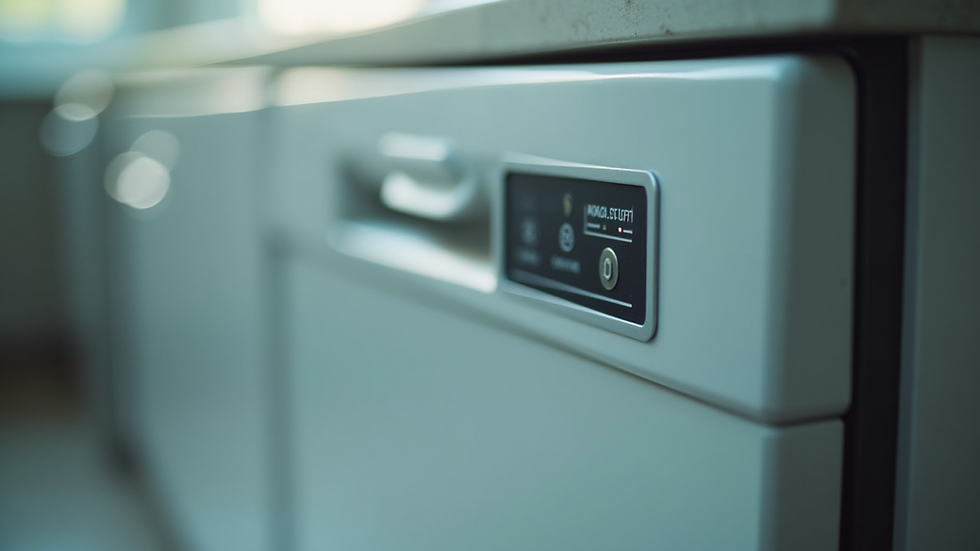
Step-by-Step Guide to Kelvinator Dishwasher Repair
Let’s break down the repair process into clear, manageable steps. This way, you can tackle the problem confidently and safely.
1. Safety First: Unplug and Turn Off Water Supply
Before you start any repair, unplug the dishwasher from the power outlet. Also, turn off the water supply to avoid leaks or flooding. Safety is key when working with electrical appliances and water.
2. Check the Door Latch and Switch
A common reason a dishwasher won’t start is a faulty door latch or switch. Inspect the latch for damage or misalignment. If it doesn’t close properly, the dishwasher won’t run. You can test the door switch with a multimeter to see if it’s working.
3. Inspect the Drain Hose and Filter
If your dishwasher isn’t draining, check the drain hose for kinks or blockages. Remove the hose and clear any debris. Also, clean the filter inside the dishwasher, which can get clogged with food particles.
4. Examine the Spray Arms
Dirty or clogged spray arms can cause dishes to come out dirty. Remove the spray arms and rinse them under running water. Use a toothpick or small brush to clear any blocked holes.
5. Listen for Unusual Noises
Strange noises often point to a failing pump or motor. If you hear grinding or humming sounds, the pump might be jammed or worn out. In this case, replacing the pump is usually necessary.
6. Test the Heating Element
If your dishes are wet or not drying properly, the heating element might be faulty. Use a multimeter to check for continuity. If it’s broken, replacing the heating element will restore drying performance.
7. Replace Faulty Parts
Once you identify the faulty component, order the correct replacement part. Kelvinator parts are often available online or through appliance repair stores. Follow the manufacturer’s instructions to install the new part safely.
8. Run a Test Cycle
After repairs, run a short cycle to ensure everything works correctly. Check for leaks, proper drainage, and clean dishes. If the dishwasher operates smoothly, you’ve successfully completed the repair.

When to Call in the Experts
While many repairs are straightforward, some issues require professional attention. If you’re uncomfortable working with electrical components or if the problem persists after your attempts, it’s best to call a trusted repair service.
Professional technicians have the tools and experience to diagnose complex problems quickly. They can fix most issues on-site, saving you time and hassle. Plus, they often provide guarantees on their workmanship, giving you peace of mind.
If you’re in South Africa and need reliable Kelvinator dishwasher repair, consider contacting a local service that prioritizes quick, affordable, and guaranteed repairs.
Tips to Keep Your Kelvinator Dishwasher Running Smoothly
Prevention is better than cure. Here are some simple tips to maintain your dishwasher and avoid frequent repairs:
Clean the filter regularly to prevent clogs.
Use the right detergent designed for dishwashers.
Avoid overloading the dishwasher to ensure proper water flow.
Check and clean spray arms every few months.
Run a cleaning cycle with vinegar or dishwasher cleaner monthly.
Inspect hoses and seals for wear and tear.
Following these tips can extend the life of your dishwasher and keep it running efficiently.
Finding Affordable and Reliable Repair Services
If you decide to hire a professional, look for a service that offers:
Quick response times
Transparent pricing
Skilled technicians familiar with Kelvinator appliances
On-site repairs to avoid delays
Workmanship guarantees
A reputable repair team will help you get your dishwasher back in working order without breaking the bank. Remember, a well-maintained dishwasher saves you money in the long run by avoiding costly replacements.
I hope this guide helps you feel confident about tackling Kelvinator dishwasher repair. Whether you fix it yourself or call in the experts, a clean kitchen is just a few steps away. For more detailed advice or to book a professional repair, visit RePair Team and get your dishwasher working like new again.


Comments