


How to Repair Washing Machine Bearing Noise Quickly and Effectively

Washing machines are essential in every home and business. When they start making strange noises, especially from the bearings, it can be worrying. Bearing noise often means the machine is struggling and could stop working soon. Fixing this problem early saves money and hassle. I’ll guide you through understanding, diagnosing, and repairing washing machine bearing noise with clear steps and practical tips.

What Causes Washing Machine Bearing Noise?
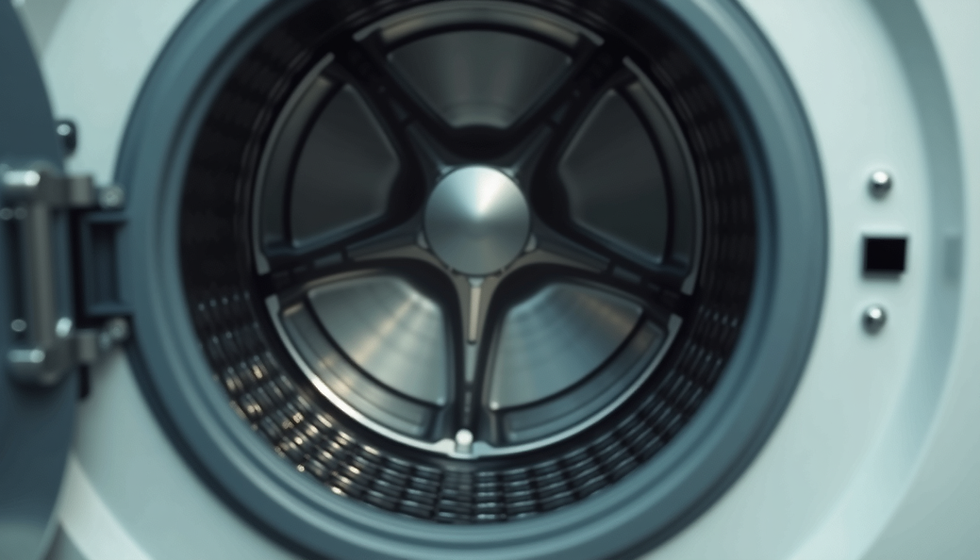
The bearings in a washing machine help the drum spin smoothly. Over time, they wear out or get damaged. This causes a loud rumbling or grinding noise during the spin cycle. Here are the main reasons bearings make noise:
Wear and tear: Bearings naturally wear down after years of use.
Water damage: Water can leak into the bearing area, causing rust and corrosion.
Overloading: Putting too many clothes in the machine strains the bearings.
Poor maintenance: Lack of cleaning and lubrication speeds up damage.
When bearings fail, the drum may wobble or stop spinning properly. Ignoring the noise can lead to more serious damage, including motor or drum failure.
How to Diagnose Bearing Noise in Your Washing Machine
Before starting any repair, it’s important to confirm the noise is from the bearings. Here’s how to check:
Listen carefully: Run the spin cycle and listen for a deep rumbling or grinding sound.
Check drum movement: Open the door and try to move the drum by hand. If it feels loose or wobbly, bearings are likely worn.
Look for leaks: Check the bottom of the machine for water leaks, which can cause bearing damage.
Inspect the seal: The bearing seal might be damaged, allowing water inside.
If you’re unsure, a professional appliance repair service can diagnose the problem quickly and accurately.
Step-by-Step Guide to Repair Washing Machine Bearing Noise
Fixing bearing noise involves replacing the worn bearings. This is a technical job but can be done with the right tools and patience. Here’s a simple guide:
Tools and Parts You’ll Need
Bearing puller or extractor tool
New washing machine bearings and seal kit
Screwdrivers and socket set
Hammer and punch
Grease for bearings
Cleaning cloths
Repair Process
Unplug the machine and move it to a spacious area.
Remove the back panel to access the drum and motor.
Detach the drum by removing belts and screws.
Extract the old bearings using the bearing puller carefully.
Clean the bearing housing to remove rust and dirt.
Install new bearings and seals with grease to ensure smooth operation.
Reassemble the drum and panels.
Test the machine by running a spin cycle to check for noise.
If you don’t have the tools or confidence, it’s best to call a professional repair service.
Comparing Repair Services and Kits for Bearing Noise
When choosing how to fix your washing machine, you can either buy a repair kit or hire a service. Here’s a quick comparison:
| Option | Pros | Cons |
|-----------------------|----------------------------------|---------------------------------|
| DIY Repair Kit | Cost-effective, learn new skills | Needs tools and technical skill |
| Professional Service | Fast, guaranteed workmanship | Higher upfront cost |
| Hybrid Approach | Buy parts, get help installing | Coordination needed |
For example, RePair Team offers quick, reliable, and affordable appliance repairs. They fix most issues on-site and guarantee their work. This can save time and ensure your machine is fixed right the first time.
Tips to Prevent Bearing Noise in the Future
Once your washing machine is repaired, keep it running smoothly with these tips:
Avoid overloading the drum.
Use the right detergent and cycle settings.
Regularly clean the drum and seals.
Check for leaks and fix them immediately.
Schedule professional maintenance every year.
These simple steps extend the life of your washing machine and prevent costly repairs.
When to Call a Professional Repair Service
Some problems need expert help. Call a professional if:
You hear loud grinding or rumbling noises.
The drum wobbles excessively.
Water leaks from the machine.
You don’t have the right tools or experience.
Professional services like RePair Team provide fast, on-site repairs with guaranteed workmanship. They can replace bearings and fix related issues without delay.
Final Thoughts on Fixing Washing Machine Bearing Noise
Bearing noise is a clear sign your washing machine needs attention. Acting quickly prevents bigger problems and saves money. Whether you choose to repair it yourself or hire a professional, understanding the cause and repair process helps you make the best decision.
If you want a hassle-free fix, consider contacting a trusted repair service. They offer quick, reliable, and affordable solutions that get your machine back to work fast.
Taking care of your washing machine bearings means quieter, smoother laundry days ahead.
If you want to learn more about professional appliance repairs, check out RePair Team’s services for expert help in your area.


Comments