


How to Fix Washing Machine Not Draining
- RePair Team
- Apr 2
- 4 min read

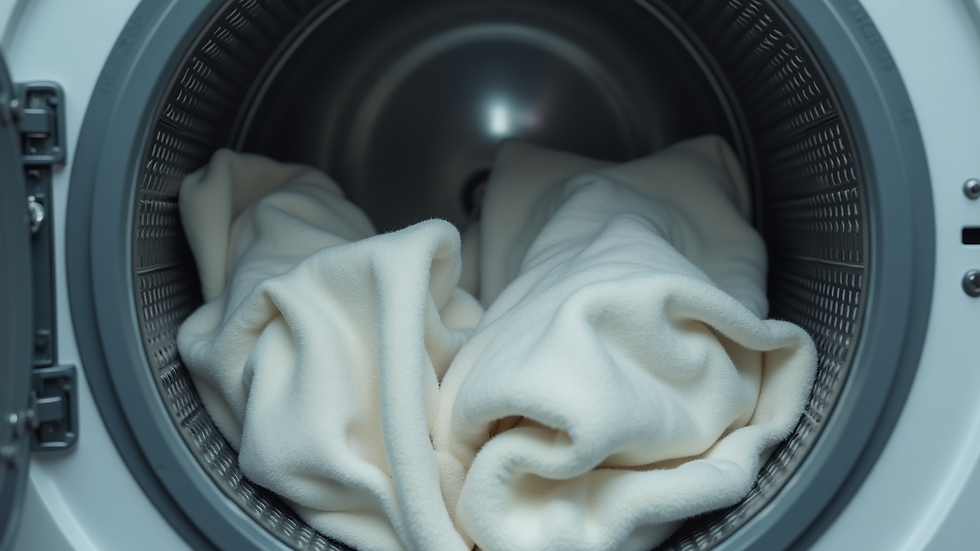
A washing machine that won’t drain can quickly turn laundry day into a frustrating experience. When water stays in the drum after the cycle ends, clothes remain wet and heavy, and the machine may even stop working properly. Fixing this problem yourself can save time and money, and often it’s easier than you think.
In this post, I’ll guide you through the common reasons why a washing machine might not drain and how to fix them step by step. I’ll also share some useful products that can help keep your machine running smoothly. Whether you have a front loader or top loader, these tips will help you get your washing machine draining again.

Washing machine drain hose connection at the back panel
Common Reasons Why Your Washing Machine Is Not Draining
When your washing machine doesn’t drain, it usually means water is stuck inside the drum. Here are the most common causes:
Clogged Drain Hose
The drain hose can get blocked by lint, small clothing items, or debris. This stops water from flowing out.
Blocked Pump Filter
Many machines have a pump filter that catches dirt and small objects. If this filter is clogged, the pump can’t push water out.
Faulty Drain Pump
The drain pump moves water out of the machine. If it’s broken or jammed, water won’t drain.
Kinked or Damaged Drain Hose
If the hose is bent or damaged, water flow is restricted.
Drainage System Issues
Sometimes the problem is with the household plumbing, like a blocked drainpipe.
Electrical or Control Board Problems
If the machine’s control system isn’t working properly, it might not activate the drain cycle.
How to Fix a Washing Machine That Won’t Drain
Here’s a simple step-by-step guide to help you fix the problem yourself.
Step 1: Unplug the Washing Machine
Safety first. Always unplug your washing machine before you start any repairs or inspections.
Step 2: Check the Drain Hose
Locate the drain hose at the back of your machine.
Inspect it for any kinks or bends. Straighten the hose if needed.
Detach the hose and check for blockages. You can run water through it or use a flexible brush to clear any debris.
Step 3: Clean the Pump Filter
Most front loaders have a pump filter accessible at the bottom front panel.
Place a shallow tray or towel under the filter to catch water.
Open the filter cover and remove any lint, coins, or small objects.
Rinse the filter under running water and replace it securely.
Step 4: Inspect the Drain Pump
If cleaning the filter doesn’t help, the drain pump might be faulty.
Listen for unusual noises during the drain cycle, like humming or grinding.
You may need to remove the pump to check for blockages or damage.
If the pump is broken, replacing it is usually the best option.
Step 5: Check Household Drainage
If your washing machine drains into a sink or standpipe, make sure those drains are clear.
Use a drain cleaner or plumber’s snake if you suspect a blockage.
Step 6: Test the Machine
After cleaning and checking everything, plug the machine back in.
Run a short drain or spin cycle to see if water drains properly.

Cleaning the washing machine pump filter to remove blockages
Recommended Products to Help Maintain Your Washing Machine
Keeping your washing machine in good shape can prevent drainage problems. Here are some products I recommend that can help:
Drain Hose Cleaner Kit
A drain hose cleaner kit is designed to clear blockages inside the hose without removing it. It usually includes a flexible brush and a nozzle to flush out debris.
Type: Cleaning Tool
Name: Drain Hose Cleaner Kit
Description: Helps remove lint, dirt, and small objects from washing machine drain hoses to improve water flow.
Using this kit regularly can prevent clogs and keep your machine draining smoothly.
Washing Machine Pump Replacement Service
If your drain pump is faulty, professional replacement is often the best solution. Some services offer quick on-site repairs with guaranteed workmanship.
Type: Repair Service
Name: Washing Machine Pump Replacement
Description: Expert technicians replace faulty drain pumps quickly to restore your washing machine’s draining function.
Choosing a reliable service ensures your machine is fixed properly and saves you from future issues.
Washing Machine Maintenance Kit
A maintenance kit includes cleaning agents and tools to keep your washing machine’s internal parts clean and free from buildup.
Type: Maintenance Kit
Name: Washing Machine Maintenance Kit
Description: Contains cleaning tablets and brushes to remove detergent residue and prevent blockages in filters and hoses.
URL: Maintenance Kit
Regular maintenance with this kit can extend your machine’s life and reduce drainage problems.
When to Call a Professional
Sometimes, the problem is more complex than a simple clog or filter cleaning. If you’ve tried the steps above and your washing machine still won’t drain, it’s time to call a professional.
A qualified technician can diagnose electrical issues, replace faulty parts, and ensure your machine works safely and efficiently. Many repair services offer quick, affordable on-site repairs with guarantees on their work.

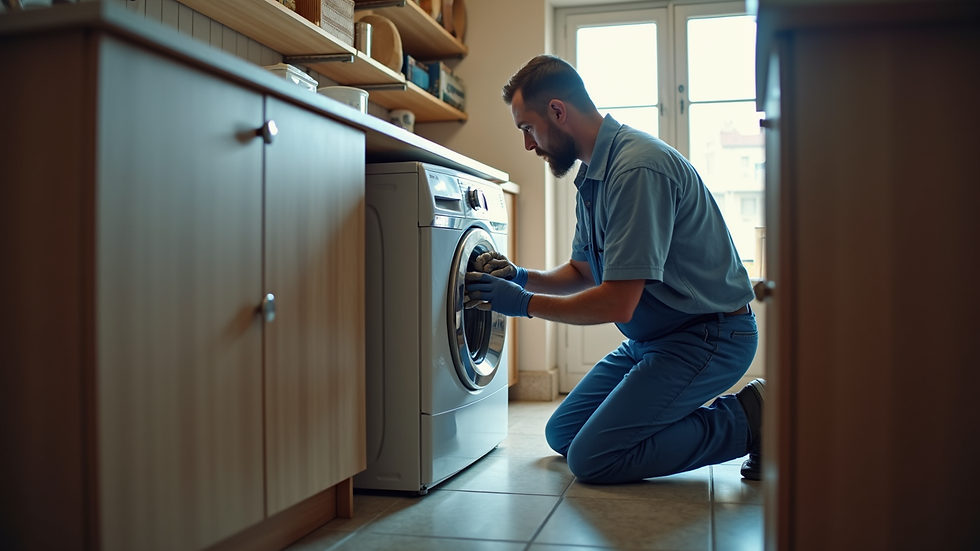
Technician inspecting washing machine to diagnose drainage issues
Tips to Prevent Washing Machine Drainage Problems
Always check pockets before washing clothes to avoid small objects blocking the pump filter.
Use the right amount of detergent to prevent residue buildup.
Clean the pump filter every few months.
Avoid overloading the machine.
Use a drain hose cleaner kit periodically.
Schedule regular maintenance with a trusted service.
Fixing a washing machine that won’t drain doesn’t have to be stressful. By following these steps and using the right tools, you can often solve the problem yourself. If you need help, professional repair services are available to get your machine back to working order quickly.
If you want to keep your washing machine in top shape, consider using a Drain Hose Cleaner Kit or scheduling a Washing Machine Pump Replacement with a trusted technician. These options help ensure your machine drains properly and lasts longer.
Take action today to avoid laundry delays and keep your washing machine running smoothly.
Comments