


How to Fix a Gas Stove Weak Flame: A Simple Guide for Homeowners and Businesses
- RePair Team
- Mar 25
- 4 min read

A gas stove with a weak flame can be frustrating. It slows down cooking, wastes gas, and sometimes even poses safety risks. I’ve been there myself, and I know how important it is to get your stove back to full power quickly. Whether you’re cooking dinner at home or running a busy kitchen, a weak flame is a problem you want to solve fast.
In this post, I’ll walk you through the common causes of a weak gas stove flame and share easy, practical steps to fix it. You don’t need to be a technician to follow along. I’ll keep things clear and straightforward, so you can get your stove working like new again.
Why Is My Gas Stove Flame Weak?
When your gas stove flame is weak, it usually means there’s an issue with the gas flow or the burner itself. Here are some common reasons:
Clogged burner ports: Food debris, grease, or dirt can block the tiny holes where gas comes out.
Low gas pressure: Sometimes the gas supply isn’t strong enough due to regulator issues or supply problems.
Faulty gas regulator: The regulator controls gas flow from the main supply. If it’s damaged, the flame weakens.
Air shutter problems: The air shutter mixes air with gas. If it’s closed or misaligned, the flame won’t burn properly.
Gas leaks or damaged pipes: Leaks reduce gas flow and can be dangerous.
Incorrect burner size or type: Using the wrong burner for your stove can affect flame strength.
Understanding these causes helps you know where to look and what to fix.
How to Check and Clean Your Gas Stove Burner
One of the easiest fixes for a weak flame is cleaning the burner. Over time, grease and food particles build up and block gas flow. Here’s how to do it safely:
Turn off the gas supply: Safety first. Make sure the stove is off and the gas valve is closed.
Remove the burner cap and ring: These parts usually lift off easily.
Inspect the burner ports: Look for any clogged holes or debris.
Clean the burner ports: Use a soft brush or a straightened paperclip to clear blockages. Avoid using anything sharp that could damage the burner.
Wash the burner parts: Soak them in warm, soapy water for 15-20 minutes, then scrub gently with a brush.
Dry everything completely: Moisture can cause problems, so make sure all parts are dry before reassembling.
Reassemble and test: Put the burner back and turn on the gas to check the flame.
If cleaning doesn’t improve the flame, the problem might be with the gas supply or regulator.

When to Call a Professional for Gas Stove Repairs
Sometimes, the issue is beyond simple cleaning or adjustment. If you notice any of these signs, it’s time to get expert help:
Persistent weak flame after cleaning
Yellow or orange flame instead of blue (this can indicate incomplete combustion)
Gas smell near the stove
Irregular flame flickering or going out
Difficulty turning the gas knobs
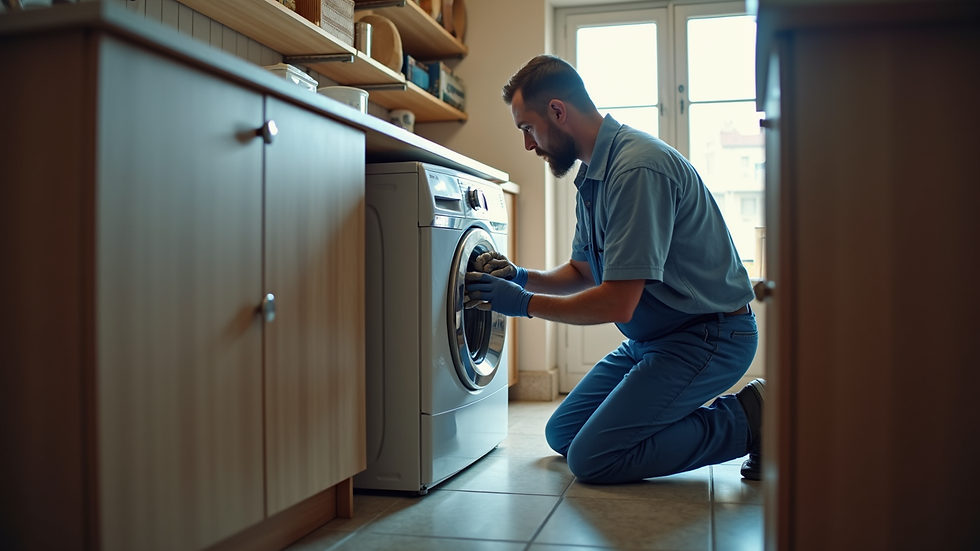
A professional technician can check the gas pressure, inspect the regulator, and ensure all connections are safe. They have the right tools and experience to fix the problem quickly and safely.
If you’re in need of reliable appliance repair, RePair Team offers quick, affordable service with guaranteed workmanship. They aim to fix most issues on-site, so you don’t have to wait long to get back to cooking.
Tips to Maintain a Strong Gas Stove Flame
Preventing weak flames is easier than fixing them. Here are some simple tips to keep your stove in top shape:
Clean burners regularly: Wipe spills immediately and deep clean monthly.
Check gas connections: Look for leaks or loose fittings.
Use the right burner size: Match pots and pans to the burner for efficient heating.
Avoid using abrasive cleaners: They can damage burner parts.
Schedule annual professional inspections: This helps catch issues early.
By following these steps, you’ll enjoy a strong, consistent flame every time you cook.

What to Do If Your Gas Stove Flame Is Still Weak
If you’ve cleaned the burners and checked the basics but the flame is still weak, here’s what you can try next:
Check the air shutter: Locate the air shutter near the burner tube. Adjust it slightly to allow more air in. The flame should be mostly blue with a small yellow tip.
Inspect the gas regulator: If you’re comfortable, check the regulator for damage or blockages. Otherwise, call a professional.
Look for gas supply issues: Sometimes the problem is with the gas company or the main supply line.
Replace faulty parts: Burners, valves, or regulators may need replacement if damaged.
Remember, working with gas appliances requires caution. If you’re unsure, it’s best to call a trusted repair service.
Getting Your Gas Stove Back to Full Power
A weak flame on your gas stove doesn’t have to ruin your day. With a little patience and the right steps, you can often fix the problem yourself. Start by cleaning the burners and checking the air shutter. If that doesn’t work, don’t hesitate to call a professional.
Reliable appliance repair services like RePair Team are ready to help. They focus on quick, affordable repairs with guaranteed workmanship, so you can trust your stove will be safe and efficient again.
Keep your stove well-maintained, and you’ll enjoy cooking with a strong, steady flame for years to come.
Comments