


Gas Leak Stove Repair: A Friendly Guide to Fixing Your Stove Safely
- RePair Team
- Mar 25
- 4 min read

A gas leak in your stove can be scary. It’s important to act quickly and carefully. I want to share what I’ve learned about gas leak stove repair. This guide will help you understand the problem, spot the signs, and take the right steps to fix it safely. Whether you’re a homeowner or run a small business, knowing how to handle this issue can save you time, money, and stress.
Understanding Gas Leaks in Stoves: What You Need to Know
Gas stoves are common in many homes and businesses because they cook food quickly and efficiently. But gas leaks can happen, and they pose serious risks. Gas leaks can cause fires, explosions, or health problems if not handled properly.
Gas leaks usually come from damaged or loose connections, faulty valves, or worn-out parts. The gas used in stoves is often natural gas or propane, both of which are highly flammable. That’s why it’s crucial to detect leaks early and repair them promptly.
Here are some common causes of gas leaks in stoves:
Loose or damaged gas hose connections
Cracked or broken gas pipes
Faulty gas valves or regulators
Worn-out burner components
Improper installation or maintenance
Knowing these causes helps you understand where to look and what to fix.

How to Detect a Gas Leak in Your Stove Quickly and Safely
Detecting a gas leak early is the first step to fixing it. You don’t need special tools to check for leaks. Here are some simple ways to spot a gas leak:
Smell: Natural gas has a distinct rotten egg or sulfur smell added to it. If you notice this smell near your stove, it’s a strong sign of a leak.
Sound: Listen for a hissing or whistling noise near the gas connections or pipes.
Visual Signs: Look for damaged or corroded pipes, loose fittings, or signs of wear around the stove.
Soap Test: Mix water and dish soap, then apply it to the gas connections with a brush or cloth. If bubbles form, you have a leak.
If you detect a leak, turn off the gas supply immediately and open windows to ventilate the area. Avoid using electrical switches or open flames until the leak is fixed.
Step-by-Step Guide to Gas Leak Stove Repair
Fixing a gas leak stove requires care and attention. If you’re comfortable with basic repairs, you can follow these steps. Otherwise, it’s best to call a professional. Here’s how I approach the repair process:
Step 1: Turn Off the Gas Supply
Before doing anything, locate the gas shut-off valve near your stove and turn it off. This stops the flow of gas and keeps you safe while working.
Step 2: Disconnect the Stove
Carefully disconnect the stove from the gas line. Use a wrench to loosen the fittings, but don’t force anything. Keep a bucket or cloth handy to catch any residual gas or debris.
Step 3: Inspect the Gas Hose and Connections
Check the gas hose for cracks, holes, or signs of wear. Inspect the connections for looseness or corrosion. Replace any damaged parts with new ones that match your stove’s specifications.
Step 4: Replace Faulty Components
If you find a faulty valve, regulator, or burner part, replace it. Make sure to buy parts that are compatible with your stove model. Follow the manufacturer’s instructions for installation.
Step 5: Reconnect and Test for Leaks
Reconnect the stove to the gas line securely. Use the soap test again on all connections to ensure there are no leaks. If bubbles appear, tighten the fittings or replace the faulty parts.
Step 6: Turn On the Gas and Check Operation
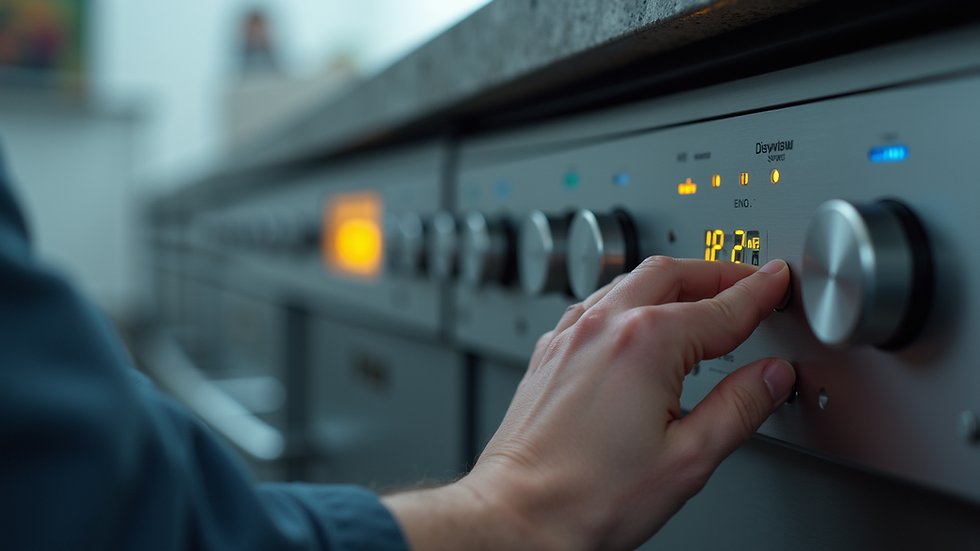
Once you’re sure there are no leaks, turn the gas supply back on. Light the stove burners and observe their flame. A steady blue flame means the stove is working well. Yellow or flickering flames may indicate other issues.

When to Call a Professional for Gas Leak Stove Repair
While some repairs are simple, gas leaks can be dangerous. If you’re unsure or uncomfortable with any step, it’s best to call a professional. Here are some signs you should get expert help:
You smell gas but can’t find the leak
The leak is coming from inside the stove or hard-to-reach areas
You notice damaged gas pipes or fittings beyond the hose
The stove flame is irregular after repair attempts
You want to ensure the repair is done safely and correctly
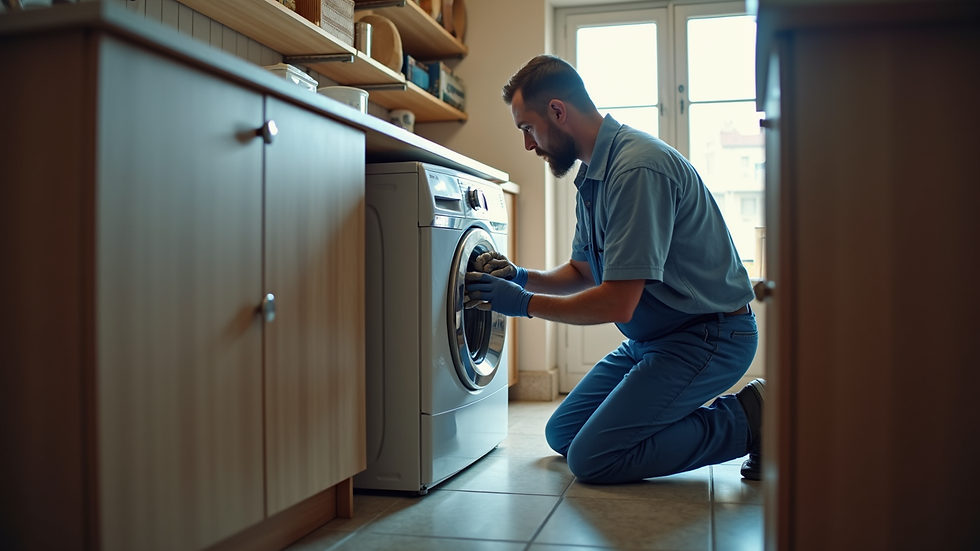
Professional technicians have the tools and experience to fix gas leaks quickly and safely. They can also check your entire gas system to prevent future problems.
Tips to Prevent Gas Leaks and Keep Your Stove Safe
Prevention is better than repair. Here are some simple tips to keep your gas stove safe and leak-free:
Schedule regular maintenance checks for your stove and gas lines
Always turn off the gas supply when the stove is not in use for long periods
Avoid using damaged or worn-out hoses and parts
Keep the area around your stove clean and free of clutter
Install a gas detector in your kitchen for early warning
Follow the manufacturer’s instructions for installation and use
By following these tips, you can enjoy your gas stove safely and avoid costly repairs.
Reliable and Affordable Gas Leak Stove Repair Services
If you need quick and reliable gas leak stove repair, it’s important to choose a service that values your safety and satisfaction. A good repair team will:
Respond promptly to your call
Diagnose the problem accurately on-site
Use quality parts for repairs
Guarantee their workmanship
Offer affordable pricing without hidden fees
Finding a trusted repair service gives you peace of mind and keeps your stove working efficiently.
I hope this guide helps you feel confident about handling gas leak stove repairs. Remember, safety comes first. If you ever feel unsure, don’t hesitate to reach out to a professional. Taking care of your stove properly protects your home or business and keeps everyone safe.
For more detailed advice and professional repair services, you can visit RePair Team. They specialize in quick, reliable, and affordable appliance repairs across their service areas, ensuring most issues are fixed on-site with guaranteed workmanship.
Comments