


Expert Stove Repair Tips for Quick and Reliable Fixes
- RePair Team
- Mar 2
- 4 min read

When your stove stops working, it can throw your whole day off. Whether you’re cooking a family meal or running a busy kitchen, a faulty stove is a big inconvenience. I’ve learned that knowing some basic stove repair tips can save you time, money, and stress. In this post, I’ll walk you through practical steps to diagnose and fix common stove problems. You’ll also find advice on when to call in the professionals to get your appliance back in top shape quickly.
Understanding Common Stove Problems
Stoves can develop a range of issues, but some problems are more frequent than others. Here are a few common ones I’ve encountered:
Burners won’t light or stay lit
Oven not heating properly
Control knobs not responding
Strange noises or smells
Electric stove elements not heating
Knowing what might be wrong helps you decide if it’s a simple fix or if you need expert help. For example, if a burner won’t light, it could be a clogged gas port or a faulty igniter. If the oven isn’t heating evenly, the heating element or thermostat might be the culprit.
How to Safely Diagnose Your Stove
Before you start any repair, safety is the top priority. Here’s how I approach diagnosing stove issues safely:
Turn off the power or gas supply
For electric stoves, unplug the appliance or switch off the circuit breaker. For gas stoves, turn off the gas valve to prevent leaks.
Check for obvious signs
Look for burnt wires, loose connections, or visible damage to burners and knobs.
Test the igniter or heating element
For gas stoves, listen for the clicking sound when you turn the knob. No sound might mean a faulty igniter. For electric stoves, check if the heating element glows red when turned on.
Use a multimeter if you have one
This tool helps test electrical components for continuity and voltage. It’s handy for identifying broken elements or switches.
If you’re unsure about any step, it’s best to call a professional. Safety first!

Step-by-Step Stove Repair Guide
Once you’ve identified the problem, here’s how to tackle some common repairs:
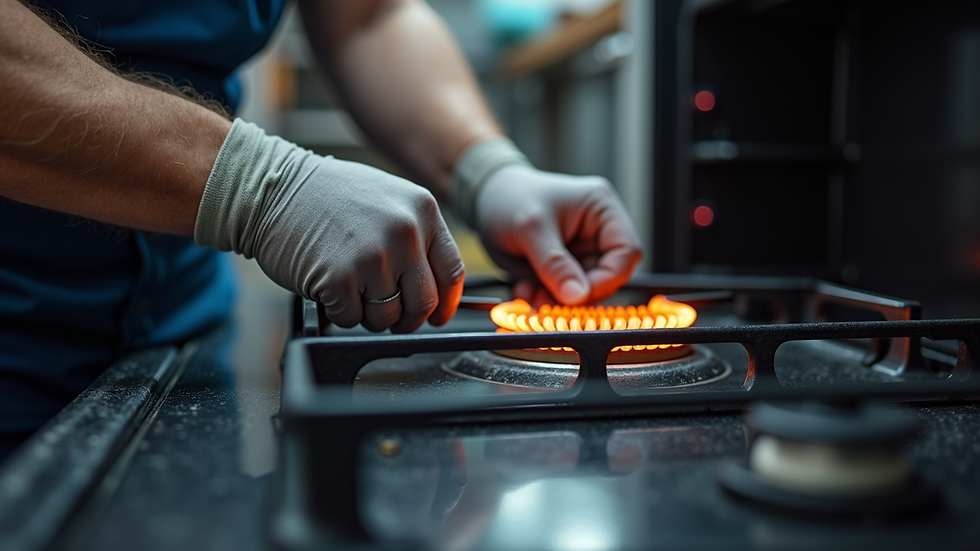
Fixing a Gas Burner That Won’t Light
Remove the burner cap and clean it thoroughly with warm soapy water.
Use a needle or toothpick to clear any clogged gas ports.
Dry the parts completely before reassembling.
Check the igniter for dirt or damage and clean gently with a soft brush.
Turn the gas back on and test the burner.
Replacing a Faulty Electric Heating Element
Unplug the stove and remove the faulty element by unscrewing or unclipping it.
Take the old element to a hardware store to find an exact replacement.
Connect the new element securely and test it by turning the stove on.
Repairing Control Knobs
Remove the knob by pulling it straight off.
Clean the area behind the knob to remove grease and dirt.
If the knob is broken, replace it with a new one that fits your model.
Reattach and test the controls.
These repairs are often straightforward and can be done with basic tools. However, if you encounter wiring issues or gas leaks, it’s safer to get professional help.
When to Call in the Experts
Some stove problems require specialized knowledge and tools. Here are signs it’s time to call a professional:
You smell gas or suspect a leak.
Electrical components spark or trip your circuit breaker.
The stove has persistent issues after basic repairs.
You’re uncomfortable working with gas or electricity.
The appliance is still under warranty and you want to avoid voiding it.
Professional repair services can fix most issues on-site, saving you the hassle of buying a new stove. They also guarantee workmanship, giving you peace of mind.
Maintaining Your Stove for Long-Term Reliability
Prevention is better than repair. Here are some tips I follow to keep my stove in great shape:
Clean burners and elements regularly to prevent clogs.
Avoid spilling liquids on control knobs and electrical parts.
Check hoses and connections for wear or damage.
Schedule annual professional inspections, especially for gas stoves.
Use the stove according to the manufacturer’s instructions.
By maintaining your stove, you reduce the chances of unexpected breakdowns and costly repairs.
Getting Reliable and Affordable Stove Repair in Your Area
If you need quick and trustworthy stove repair, look for a service that values customer satisfaction and guarantees their work. A good repair team will:
Respond promptly to your call.
Diagnose the problem accurately on-site.
Offer affordable pricing without hidden fees.
Use quality parts for replacements.
Provide a workmanship guarantee.
Finding the right repair service means you can get back to cooking without delay. Remember, a well-maintained stove is safer and more efficient.
I hope these tips help you feel confident about handling stove repairs. Whether you fix a minor issue yourself or call in the experts, the key is acting quickly and safely. Your stove is an essential part of your home or business, and keeping it in top condition makes life easier every day.


Comments