


Electric Stove Not Working: How to Diagnose and Fix Common Issues
- RePair Team
- Mar 25
- 4 min read

When your electric stove stops working, it can throw a wrench in your daily routine. Cooking meals becomes a challenge, and you might feel stuck without a quick solution. I’ve been there, and I want to help you get your stove back in action as smoothly as possible. In this post, I’ll walk you through practical steps to diagnose and fix common problems with electric stoves. Whether you’re a homeowner or run a small business, these tips will save you time and stress.
Understanding Why Your Electric Stove Is Not Working
Electric stoves are generally reliable, but like any appliance, they can develop faults. The first step is to understand the possible reasons why your stove might not be working. Here are some common causes:
Power supply issues: The stove might not be getting electricity due to a tripped circuit breaker or a blown fuse.
Faulty heating elements: The coils or elements that heat up can burn out or break.
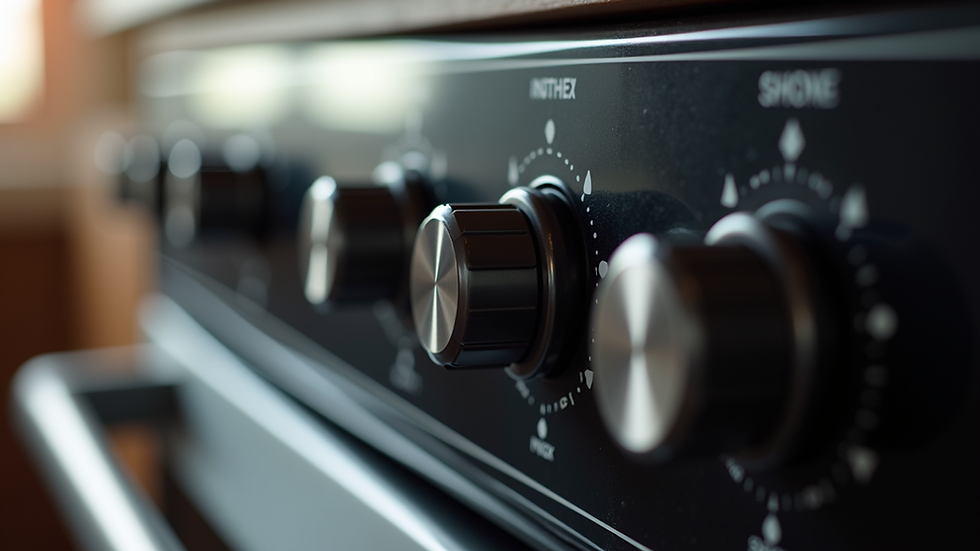
Defective switches or controls: The knobs or electronic controls might fail to send power to the heating elements.
Wiring problems: Loose or damaged wires inside the stove can interrupt the electrical flow.
Thermostat or sensor failure: Some stoves have sensors that regulate temperature and can malfunction.
Knowing these causes helps you narrow down what to check first. Always start with the simplest possibilities before moving to more complex repairs.

How to Safely Check Your Electric Stove’s Power Supply
Before you dive into any repairs, safety is key. Make sure the stove is unplugged or the circuit breaker is switched off to avoid electric shock. Here’s how to check the power supply:
Check the outlet: Plug in another appliance to see if the outlet is working.
Inspect the circuit breaker: Go to your home’s electrical panel and see if the breaker for the stove has tripped. If it has, reset it by switching it off and then on again.
Look for blown fuses: Some older homes use fuses instead of breakers. Replace any blown fuses with the correct rating.
Test the power cord: Examine the stove’s power cord for visible damage or wear.
If the power supply is fine but the stove still doesn’t work, the problem is likely inside the appliance.
Diagnosing Heating Element Problems
The heating elements are the parts that get hot when you turn on the stove. If one or more elements don’t heat up, they might be faulty. Here’s how to check them:
Visual inspection: Look for cracks, breaks, or burn marks on the coils.
Swap elements: If your stove has removable coils, swap a non-working element with a working one. If the problem moves with the element, it’s the element that’s faulty.
Use a multimeter: If you have one, test the element for continuity. No continuity means the element is broken.
Replacing a heating element is usually straightforward and affordable. You can order a replacement part online or from a local appliance store.

When to Call a Professional Repair Service
Sometimes, the problem is more complex than a simple fix. If you’ve checked the power supply and heating elements but the stove still won’t work, it might be time to call in the experts. Here are signs you should get professional help:
The stove has electrical wiring issues inside.
The control panel or electronic components are malfunctioning.
You’re uncomfortable working with electrical parts.
The stove shows signs of burning smells or smoke.
A professional repair service can diagnose and fix the problem safely and quickly. They often carry parts and tools to complete repairs on-site, saving you time and hassle. For reliable and affordable appliance repairs, consider contacting a trusted local service like RePair Team.
Tips to Prevent Future Electric Stove Problems
Once your stove is working again, it’s smart to take steps to keep it in good shape. Here are some easy tips:
Clean regularly: Food spills and grease can damage heating elements and controls.
Avoid heavy pots on coils: Excess weight can damage the elements.
Check cords and plugs: Replace any damaged parts immediately.
Use the right cookware: Flat-bottomed pots and pans heat more evenly and reduce stress on the stove.
Schedule routine maintenance: A yearly check-up by a professional can catch issues early.
By following these tips, you can extend the life of your electric stove and avoid unexpected breakdowns.
Getting Your Stove Back to Cooking in No Time
Dealing with an electric stove that’s not working can be frustrating, but with a little patience and the right approach, you can often fix the problem yourself. Start by checking the power supply, then inspect the heating elements, and don’t hesitate to call a professional if needed. Remember, safety comes first.
If you want quick, reliable, and affordable appliance repairs, the RePair Team is ready to help. They aim to fix most issues on-site and guarantee their workmanship, so you can get back to cooking without delay.
Keep these tips handy, and your electric stove will be ready to serve you well for years to come!


Comments