


Dishwasher Troubleshooting Guide: Fix Common Issues with Ease
- RePair Team
- Mar 4
- 3 min read

Dishwashers are a blessing in any kitchen. They save time and effort, leaving your dishes sparkling clean. But when your dishwasher stops working properly, it can be frustrating. Don’t worry - I’m here to help you troubleshoot common dishwasher problems step-by-step. With a little guidance, you can often fix issues yourself and avoid costly repairs.
Understanding Common Dishwasher Problems
Before diving into fixes, it helps to know the typical problems dishwashers face. Here are some frequent issues:
Dishwasher won’t start: No power or unresponsive controls.
Dishes not getting clean: Food residue or spots remain.
Water not draining: Standing water at the bottom.
Strange noises: Grinding, buzzing, or rattling sounds.
Leaks: Water pooling around the base.
Each problem has several possible causes. I’ll walk you through how to identify and solve them.
How to Troubleshoot a Dishwasher That Won’t Start
If your dishwasher won’t start, first check the basics:
Power supply: Make sure the dishwasher is plugged in and the outlet works. Test with another appliance.
Door latch: The dishwasher won’t run if the door isn’t securely closed. Check the latch for damage or obstruction.
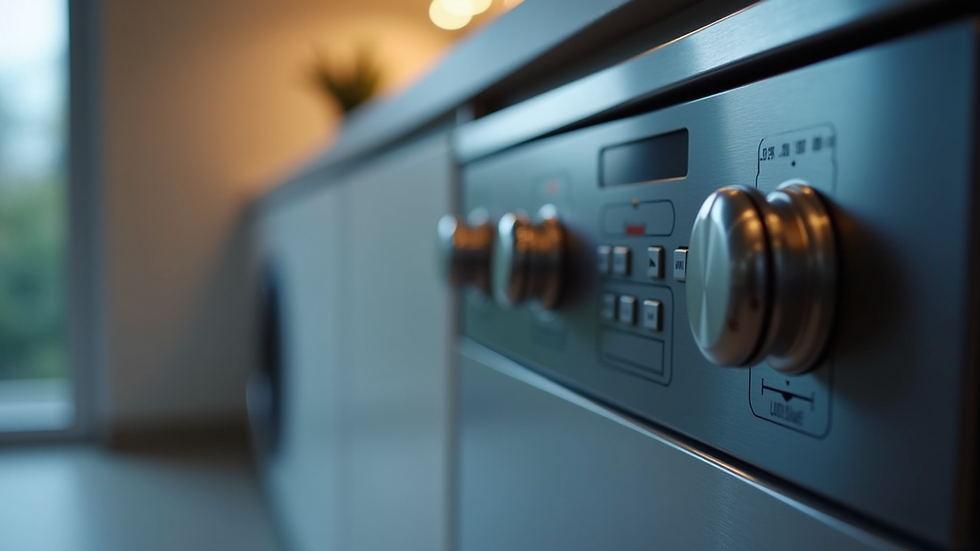
Control panel: Look for error codes or unresponsive buttons. Try resetting the dishwasher by turning off the power at the circuit breaker for 1 minute.
Child lock: Some models have a child lock feature that disables controls. Refer to your manual to disable it.
If these steps don’t work, the problem might be a faulty door switch or control board, which may require professional repair.
Steps to Fix Dishes That Aren’t Getting Clean
Dirty dishes after a cycle can be disappointing. Here’s how to improve cleaning performance:
Load dishes properly: Avoid overcrowding. Place items so water can reach all surfaces.
Use the right detergent: Use a high-quality detergent suitable for your water hardness.
Check spray arms: Remove and clean spray arms to clear blocked holes.
Clean filters: Dirty filters reduce water flow. Remove and rinse them under running water.
Run hot water before starting: Let hot water run in your sink to ensure the dishwasher fills with hot water.
Use rinse aid: This helps prevent spots and improves drying.
If your dishwasher still leaves residue, the heating element or water inlet valve might be faulty.
What to Do When Your Dishwasher Won’t Drain
Standing water in the bottom is a common issue. Here’s how to fix it:
Check the drain hose: Make sure it’s not kinked or clogged.
Clean the filter and drain pump: Food debris can block these parts.
Inspect the garbage disposal: If your dishwasher drains into the disposal, ensure it’s clear.
Run a drain cycle: Some dishwashers have a drain or pump-out cycle you can activate.
If water still won’t drain, the drain pump may be defective and need replacement.

Tips for Handling Dishwasher Leaks
Leaks can cause water damage if not addressed quickly. Here’s what to check:
Door gasket: Inspect the rubber seal around the door for cracks or debris.
Door latch: Ensure the door closes tightly.
Hoses and connections: Look for loose or damaged water supply and drain hoses.
Detergent use: Using too much detergent or the wrong type can cause excessive suds and leaks.
Level the dishwasher: An uneven dishwasher can cause water to spill out.
If leaks persist, internal components like the water inlet valve or pump seals might be faulty.
When to Call a Professional for Dishwasher Repairs
While many dishwasher issues can be fixed at home, some problems require expert help. Call a professional if:
You suspect electrical faults.
The control board or motor needs replacement.
You’re uncomfortable working with plumbing or electrical parts.
The dishwasher still malfunctions after basic troubleshooting.
Getting a professional repair ensures safety and long-lasting results. For quick, reliable, and affordable appliance repairs, consider contacting a trusted local service. They often fix most issues on-site and guarantee their workmanship.
I hope this dishwasher troubleshooting guide helps you tackle common problems with confidence. Remember, regular maintenance like cleaning filters and spray arms can prevent many issues. If you ever feel stuck, don’t hesitate to reach out to a professional. Your dishwasher will be back to sparkling your dishes in no time!


Comments