


Dishwasher Not Working: How to Fix Common Problems Quickly

When your dishwasher stops working, it can throw a wrench in your daily routine. Dirty dishes pile up, and the convenience you rely on suddenly disappears. I’ve been there, and I know how frustrating it can be. The good news is that many dishwasher problems are easy to diagnose and fix yourself. In this post, I’ll walk you through common issues and practical steps to get your dishwasher running smoothly again.
Understanding Why Your Dishwasher Is Not Working
Before diving into repairs, it’s important to understand the possible reasons your dishwasher might not be working. Here are some common causes:
Power issues: The dishwasher might not be getting electricity.
Water supply problems: No water or low water pressure can stop the cycle.
Clogged filters or spray arms: Dirt and debris can block water flow.
Door latch problems: If the door doesn’t close properly, the dishwasher won’t start.
Faulty control panel or timer: Electronics can fail or get stuck.
Drainage issues: Water may not drain properly, causing the dishwasher to stop.
Knowing these causes helps you narrow down what to check first. I recommend starting with the simplest fixes and moving to more complex ones.
How to Troubleshoot Power and Water Supply Issues
The first step is to make sure your dishwasher has power and water. Here’s how to check:
Check the power supply
Ensure the dishwasher is plugged in securely.
Check your home’s circuit breaker or fuse box for tripped breakers or blown fuses.
Try plugging another appliance into the same outlet to confirm it’s working.
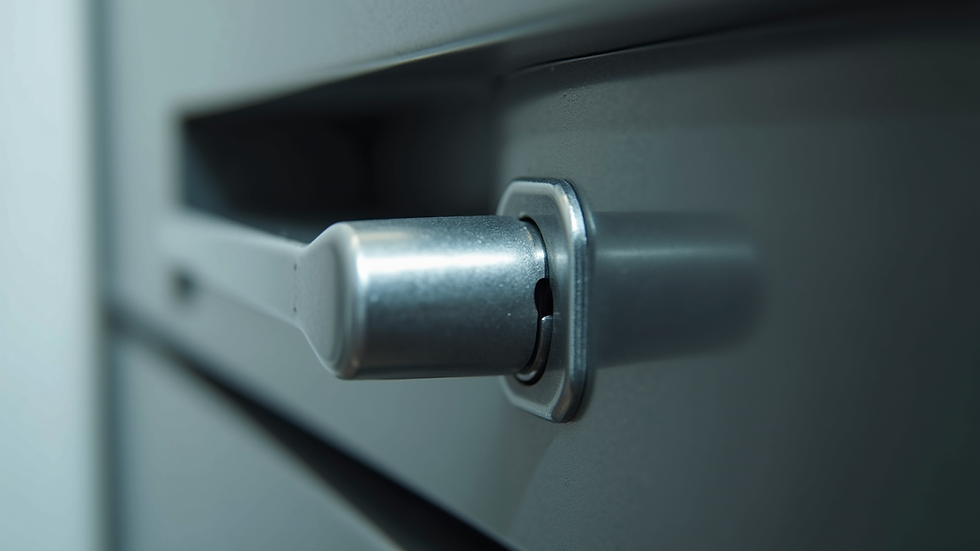
Inspect the door latch
The dishwasher won’t start if the door isn’t fully closed and latched.
Close the door firmly and listen for a click.
If the latch is broken, it may need replacement.
Verify the water supply
Locate the water valve under the sink or near the dishwasher.
Make sure it’s fully open.
Check the hose for kinks or leaks.
If you suspect low water pressure, try running water from the kitchen tap to see if it flows normally.
If these basic checks don’t solve the problem, the issue might be inside the dishwasher.
Cleaning and Maintaining Your Dishwasher for Better Performance
Sometimes, your dishwasher stops working well because of dirt and buildup. Regular cleaning can prevent many problems. Here’s what I do to keep my dishwasher in top shape:
Clean the filters
Remove the bottom rack and take out the filter. Rinse it under running water to clear food particles and grease. A clogged filter can stop water from circulating properly.
Clear the spray arms
Spray arms have small holes that can get blocked. Remove them and rinse with water. Use a toothpick or small brush to clear any debris.
Check the drain hose
Make sure the hose is not kinked or clogged. You can disconnect it and flush it with water to clear blockages.
Run a cleaning cycle
Use a dishwasher cleaner or a cup of white vinegar placed on the top rack. Run a hot water cycle to remove grease and limescale.
Regular maintenance not only fixes current issues but also prevents future breakdowns.

When to Call a Professional Repair Service
If you’ve tried the above steps and your dishwasher still isn’t working, it might be time to call in the experts. Some problems require special tools or knowledge, such as:
Electrical faults inside the control panel
Broken motor or pump
Faulty heating element
Complex drainage system issues
Choosing a reliable repair service is important. I recommend looking for a company that offers quick, affordable repairs with guaranteed workmanship. This way, you can get your dishwasher fixed on-site without unnecessary delays or costs.
If you want to learn more about professional repair options, check out RePair Team for trusted appliance repair services.
Tips to Avoid Dishwasher Problems in the Future
Preventing problems is always better than fixing them. Here are some simple tips to keep your dishwasher running smoothly:
Scrape off large food scraps before loading
This reduces the chance of clogging filters and spray arms.
Use the right detergent
Avoid using regular dish soap, which can cause excessive suds and damage.
Don’t overload the dishwasher
Overcrowding prevents water from reaching all dishes and can strain the machine.
Run hot water before starting the dishwasher
This helps the dishwasher fill with hot water quickly, improving cleaning.
Inspect and clean filters monthly
Regular cleaning keeps water flowing freely.
By following these tips, you can extend the life of your dishwasher and avoid inconvenient breakdowns.
Getting Your Dishwasher Back to Work Quickly
A dishwasher not working doesn’t have to disrupt your day. By checking power and water supply, cleaning filters and spray arms, and knowing when to call a professional, you can solve most issues quickly. Remember, regular maintenance is key to preventing problems.
If you need expert help, consider contacting a trusted repair service that values quick, reliable, and affordable appliance repairs. With the right approach, your dishwasher will be back to sparkling clean dishes in no time.


Comments