


Dishwasher Not Turning On: How to Fix It Quickly and Easily
- RePair Team
- Mar 28
- 3 min read

When your dishwasher refuses to turn on, it can throw a wrench in your day. I know how frustrating it feels to load up your dishes, press the start button, and hear nothing. But don’t worry - this is a common problem, and there are simple steps you can take to get your dishwasher running again. In this post, I’ll walk you through practical troubleshooting tips and fixes that anyone can try at home.
Why Your Dishwasher Might Not Be Turning On
Before diving into repairs, it helps to understand the common reasons a dishwasher won’t start. Here are some typical causes:
Power issues: The dishwasher might not be getting electricity due to a tripped circuit breaker, unplugged cord, or faulty outlet.
Door latch problems: If the door isn’t securely closed or the latch is broken, the dishwasher won’t start.
Control panel faults: Sometimes the buttons or electronic controls malfunction.
Water supply issues: If the dishwasher doesn’t detect water, it won’t run.
Internal component failures: Parts like the thermal fuse, timer, or motor could be defective.
Knowing these causes helps you narrow down what to check first. Let’s go through the steps to diagnose and fix the problem.

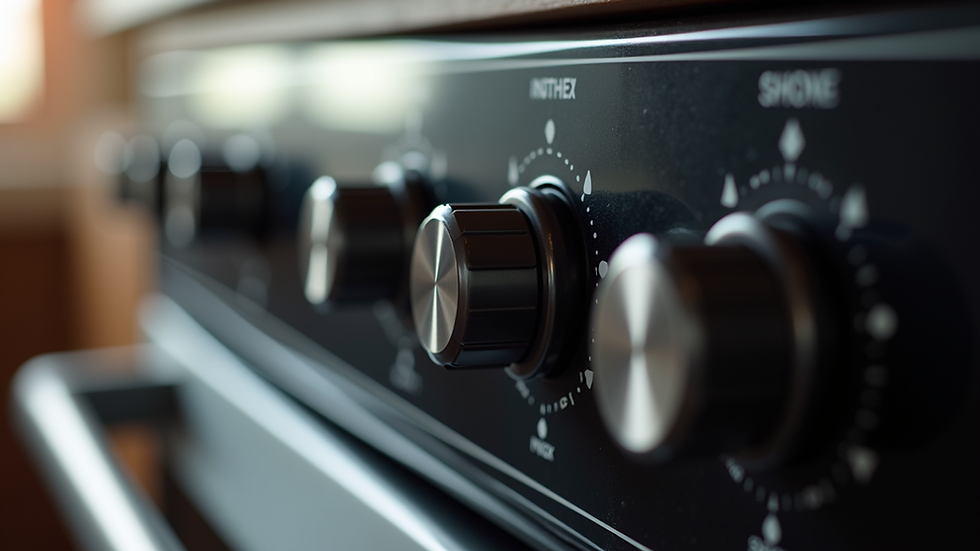
Close-up view of dishwasher control panel with buttons
How to Check the Power Supply and Door Latch
The first things I always check are the power and door latch. These are the easiest fixes and often the culprit.
Check the power source
Make sure the dishwasher is plugged in properly. Sometimes the plug can come loose.
Look at your home’s circuit breaker box. If the breaker for the kitchen or dishwasher is tripped, reset it by switching it off and on again.
Test the outlet with another appliance or a voltage tester to confirm it’s working.
Inspect the door latch
Open the dishwasher door and close it firmly until you hear a click. The latch must engage fully.
If the door feels loose or the latch doesn’t click, it might be broken or misaligned.
You can try cleaning the latch area to remove any debris that might block it.
If the dishwasher still won’t start after these checks, the problem might be inside the machine.
Testing Internal Components Safely
If you’re comfortable with a bit of DIY, you can test some internal parts. Always unplug the dishwasher before opening the access panel to avoid electric shock.
Thermal fuse: This safety device cuts power if the dishwasher overheats. Use a multimeter to check for continuity. If it’s blown, it needs replacing.
Door switch: This switch signals the dishwasher to start when the door is closed. Test it with a multimeter; no continuity means it’s faulty.
Control board: Look for visible signs of damage like burnt areas or loose wires. Control board issues usually require professional repair.
If you don’t have a multimeter or feel unsure, it’s best to call a professional. RePair Team offers quick, reliable, and affordable appliance repairs that can fix most issues on-site.
When to Call in the Experts
Sometimes, the problem is more complex or requires special tools. Here are signs you should get professional help:
The dishwasher still won’t turn on after checking power and door latch.
You suspect a control board or motor failure.
You notice water leaks or strange noises.
You want to avoid risking damage or injury.
A skilled technician can diagnose the issue quickly and provide a guaranteed repair. This saves you time and stress, especially if you rely on your dishwasher daily.

Eye-level view of dishwasher with open door and visible interior
Tips to Prevent Dishwasher Problems in the Future
Once your dishwasher is up and running, a little maintenance goes a long way. Here are some tips to keep it working smoothly:
Clean the filter regularly to prevent clogs.
Check and clean the spray arms to ensure water flows freely.
Avoid overloading the dishwasher, which can strain components.
Use the right detergent and avoid excess soap.
Run a cleaning cycle monthly with dishwasher cleaner or vinegar.
Following these simple steps can reduce the chances of your dishwasher not turning on or other issues.
Getting Your Dishwasher Back to Work
A dishwasher that won’t turn on is inconvenient, but it’s usually fixable with some basic troubleshooting. Start by checking the power and door latch, then move on to internal parts if you feel comfortable. If the problem persists, don’t hesitate to contact a professional repair service. With the right approach, you’ll have your dishwasher running again in no time.
Remember, keeping your dishwasher well-maintained helps avoid future headaches. If you want expert help, the RePair Team is ready to assist with fast, affordable repairs and guaranteed workmanship. Your dishwasher will be back to sparkling clean dishes before you know it!


Comments